
How VR Events Are Redefining Live Digital Experiences
Explore how VR events are transforming concerts, conferences, entertainment, networking, and immersive online experiences across the digital world.
How VR Events Are Redefining Live Digital Experiences
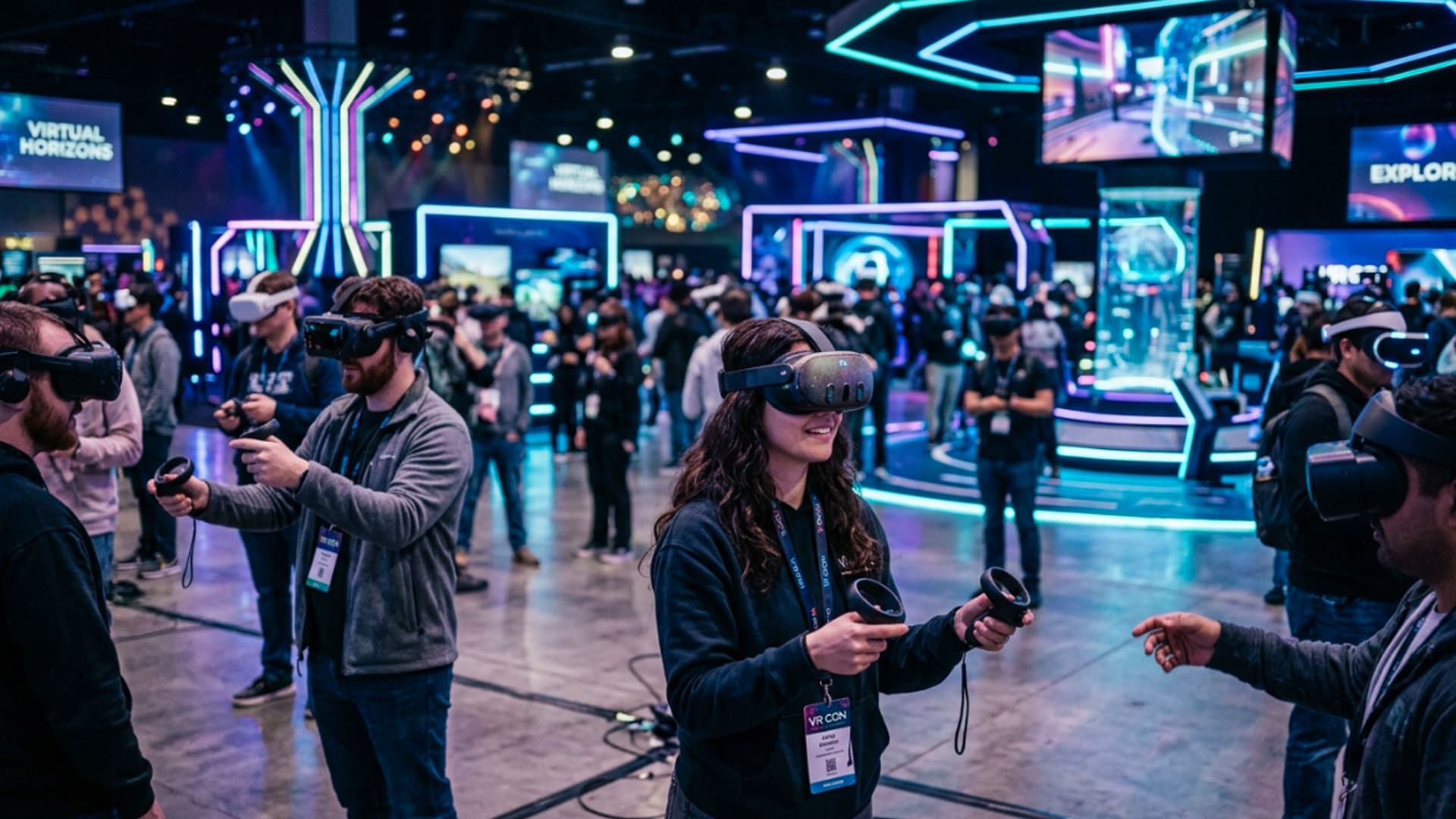
Virtual reality technology is transforming the way people experience live events online. What was once limited to standard video streams, webinars, and digital broadcasts has evolved into fully immersive environments where users can participate in concerts, conferences, exhibitions, networking events, training sessions, and entertainment experiences from anywhere in the world.
VR events are creating a new generation of digital interaction by allowing attendees to feel physically present inside virtual spaces rather than simply watching content on a screen. Through immersive environments, realistic spatial audio, interactive avatars, motion tracking, and digitally recreated venues, users can engage with experiences in ways that feel far more personal, social, and engaging than traditional online platforms.
As virtual reality technology becomes more accessible and affordable, businesses, entertainment companies, educational institutions, event organizers, and global brands are increasingly investing in immersive VR event experiences that combine the convenience of digital access with the realism and engagement of physical interaction.
Unlike traditional online events where users passively consume content, VR experiences encourage active participation. Attendees can move through digital venues, interact with other users naturally, explore interactive environments, and experience events from a first-person perspective. This shift is fundamentally changing how digital events are designed and experienced.
Understanding VR Events
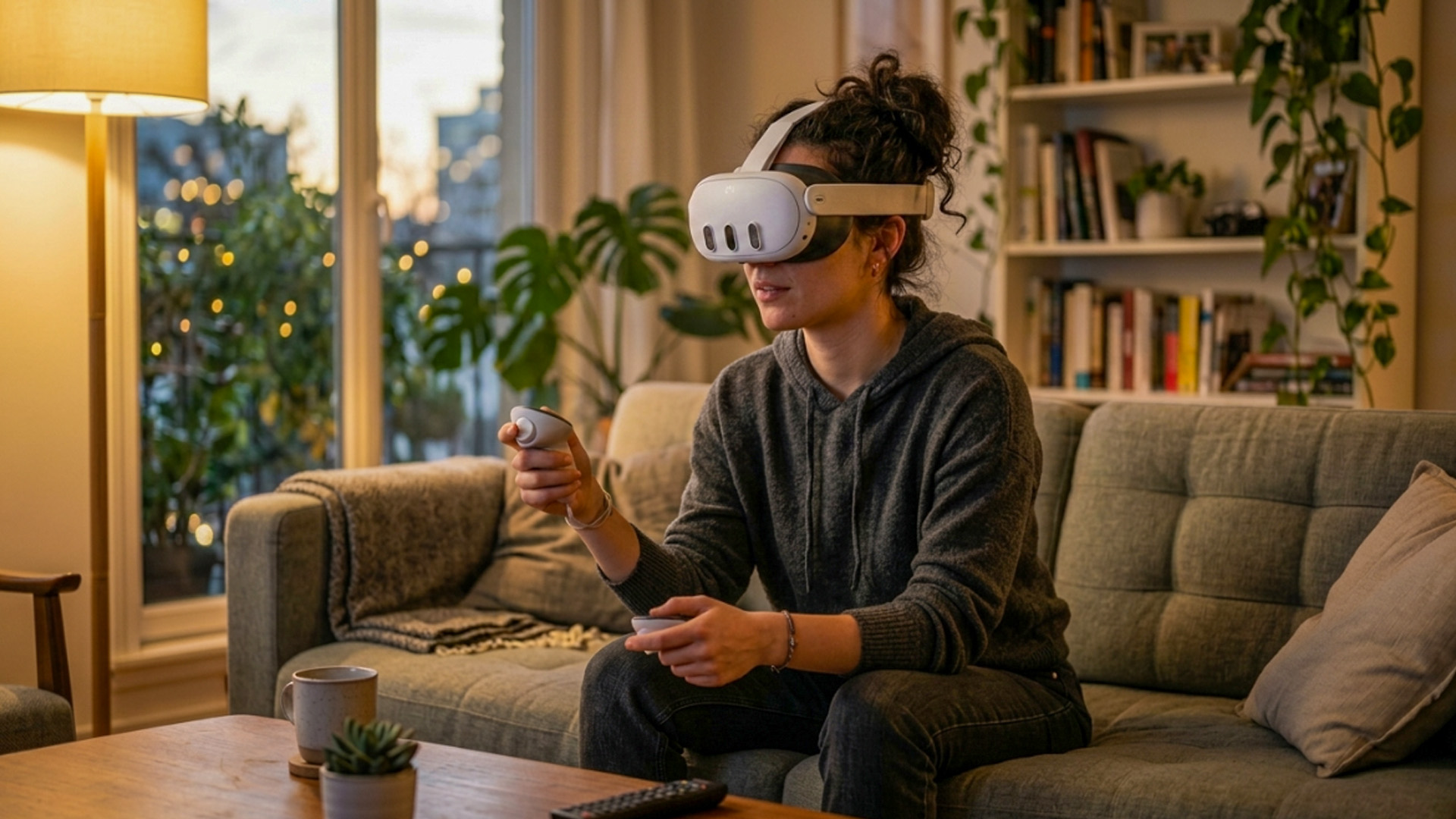
VR events are live or pre-recorded experiences hosted inside immersive virtual environments where participants interact using VR headsets, motion tracking systems, controllers, and digital avatars.
Unlike traditional livestreams or video conferencing platforms, VR events create shared interactive spaces where attendees can move around freely, communicate naturally, and interact with virtual environments in real time. Instead of simply viewing a presentation through a webcam, users become active participants inside a digitally constructed world.
These virtual experiences often simulate real-world venues such as concert arenas, conference halls, exhibition centers, boardrooms, networking lounges, training facilities, museums, classrooms, and entertainment venues. At the same time, VR also enables entirely imaginative environments that would be impossible to create physically.
Users attending VR events can often:
- Walk through digital venues
- Interact with exhibits and presentations
- Speak with other attendees in real time
- Watch live performances
- Participate in multiplayer activities
- Join breakout rooms and discussions
- Explore branded virtual environments
- Access interactive product demonstrations
This level of interaction creates experiences that feel significantly more immersive and engaging than conventional digital platforms.
The Sense of Presence in Virtual Events
One of the most powerful advantages of VR events is the sense of presence they create.
Presence refers to the psychological feeling of actually being inside a virtual environment. When users wear VR headsets, the technology blocks out much of the outside world and replaces it with a fully immersive digital space viewed from a first-person perspective.
Spatial audio, realistic movement, responsive environments, and natural interaction all contribute to this illusion. Users can turn their heads naturally, walk through virtual spaces, approach other attendees, and experience digital environments as though they physically exist around them.
This dramatically changes how people experience online interaction. Instead of feeling disconnected behind a screen, users often report feeling socially engaged and emotionally connected to virtual experiences.
The sense of immersion also increases focus and attention. Traditional online meetings and livestreams frequently struggle with distractions and reduced engagement, while VR environments encourage users to remain visually and mentally connected to the experience.
Why Businesses Are Investing in VR Events
Businesses are increasingly exploring VR events because immersive experiences often generate stronger audience engagement and improved participation compared to traditional digital formats.
Traditional webinars and livestreams can struggle to maintain user attention for extended periods. VR environments, however, encourage users to actively participate rather than passively watch content.
For businesses, this creates opportunities to improve:
- Audience retention
- Brand engagement
- Product interaction
- Networking experiences
- Training effectiveness
- Customer participation
- Global accessibility
VR events also eliminate many of the limitations associated with physical events. Companies can host large-scale international experiences without requiring attendees to travel, reducing venue costs, accommodation expenses, and logistical challenges.
This scalability is becoming increasingly valuable for global organizations looking to reach broader audiences efficiently while still delivering memorable experiences.
VR Concerts and Entertainment Experiences
Entertainment has become one of the fastest-growing sectors within the VR events industry. Artists, music festivals, gaming companies, entertainment brands, sports organizations, and media companies are increasingly using immersive virtual environments to create unique experiences for global audiences.
VR concerts allow fans to experience performances inside digitally created venues where they can move freely, interact socially, and enjoy performances from multiple perspectives.
Rather than simply watching a concert through a video stream, users become part of the event itself.
Immersive Music Experiences
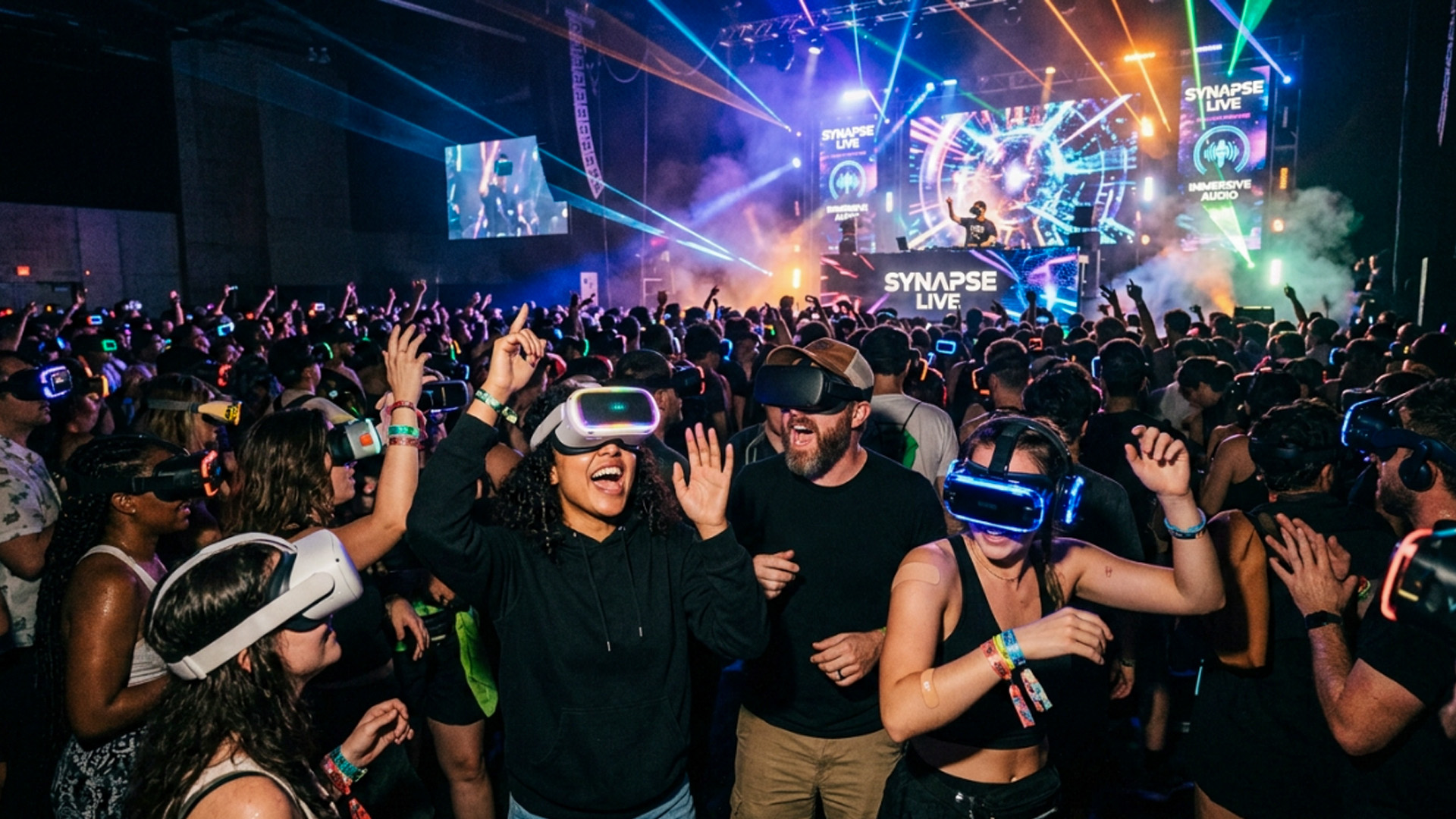
Unlike traditional livestreamed concerts, VR performances place attendees inside fully interactive digital environments.
Users can explore virtual stages, move through crowd spaces, interact with visual effects, and communicate with other audience members through avatars. This creates a much deeper level of engagement than viewing performances on a flat screen.
Many VR concert experiences include dynamic digital effects that transform entire environments during performances. Virtual stages can change shape, simulate fantasy worlds, react to music in real time, or place attendees inside visually impossible environments that cannot exist physically.
Artists and creators are increasingly viewing VR as a creative medium rather than simply a digital replacement for physical events.
This opens opportunities for:
- Interactive storytelling
- Virtual stage transformations
- Immersive audience participation
- Multiplayer social experiences
- Interactive visual effects
- Real-time digital performances
As VR technology improves, these experiences are becoming more visually realistic and technically sophisticated.
Expanding Global Audiences
One of the biggest advantages of VR entertainment is the removal of geographical limitations.
VR events allow people from around the world to attend experiences remotely without requiring travel or physical venue access. Fans who may never have had the opportunity to attend a concert, conference, or event physically can now participate virtually from home.
This significantly expands audience reach for entertainment brands and artists.
Large-scale VR events can support thousands of simultaneous attendees while reducing costs associated with venue infrastructure, transportation, and event logistics.
For global brands, VR creates scalable digital experiences capable of reaching international audiences more efficiently than many traditional physical events.
Interactive Audience Participation
VR entertainment experiences often include audience interaction systems designed to increase immersion and social engagement.
These may include:
- Real-time avatar communication
- Multiplayer interaction
- Live audience reactions
- Interactive environments
- Virtual merchandise stores
- Shared digital activities
- Gesture-based interaction
- Social networking spaces
These features help create stronger community experiences among attendees while encouraging active participation throughout events.
Unlike passive video consumption, VR users often feel like participants within the entertainment experience itself.
VR Conferences and Corporate Events
Businesses and organizations are increasingly adopting VR technology for conferences, expos, presentations, training sessions, product launches, and networking events.
Virtual environments allow companies to create professional experiences that feel more interactive and engaging compared to standard video conferencing systems.
As remote work and global collaboration continue growing, VR events are becoming an important tool for digital communication and business interaction.
Virtual Conference Environments
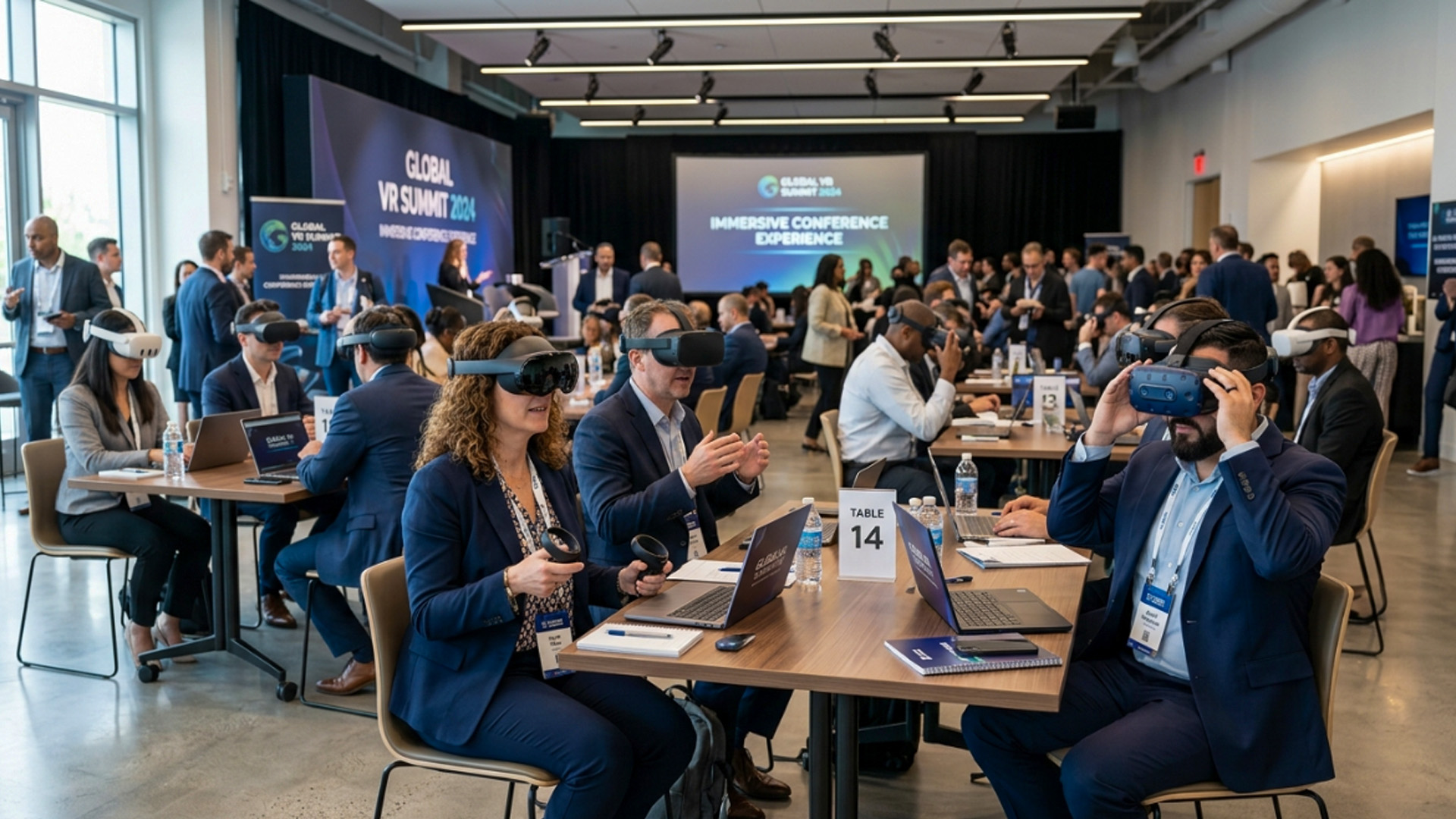
VR conference spaces can simulate realistic auditoriums, meeting halls, networking lounges, exhibition centers, classrooms, and collaborative workspaces.
Attendees can move freely between sessions, interact naturally with presentations, and engage with digital environments in real time.
Instead of being confined to static video windows, users experience conferences spatially, much like they would at physical events.
This creates experiences that feel significantly more dynamic and memorable.
Companies are increasingly using VR for:
- Corporate presentations
- International conferences
- Employee training
- Product showcases
- Trade exhibitions
- Virtual expos
- Educational seminars
- Collaborative workshops
The flexibility of virtual environments allows businesses to customize digital venues according to branding, audience size, and event objectives.
Enhanced Networking Opportunities
Networking is often one of the most valuable aspects of professional events.
Traditional online meetings can make networking feel artificial or limited, while VR environments support more natural social interaction between attendees.
Users can approach one another organically, engage in spontaneous conversations, and participate in group discussions similarly to real-world events.
Spatial audio also improves communication by making conversations feel more realistic and location-based. Users hear nearby voices more clearly while distant conversations fade naturally into the background.
This creates more comfortable and socially immersive networking experiences.
Virtual Product Demonstrations
Businesses are also using VR events to showcase products and services interactively.
Attendees can explore virtual showrooms, interact with 3D product models, participate in immersive demonstrations, and examine products from multiple perspectives directly inside virtual environments.
This is especially valuable for industries involving:
- Architecture
- Automotive design
- Manufacturing
- Real estate
- Medical technology
- Engineering
- Education
- Tourism
Immersive demonstrations often improve user understanding and create more memorable brand experiences compared to traditional presentations.
Social Interaction Inside VR Events
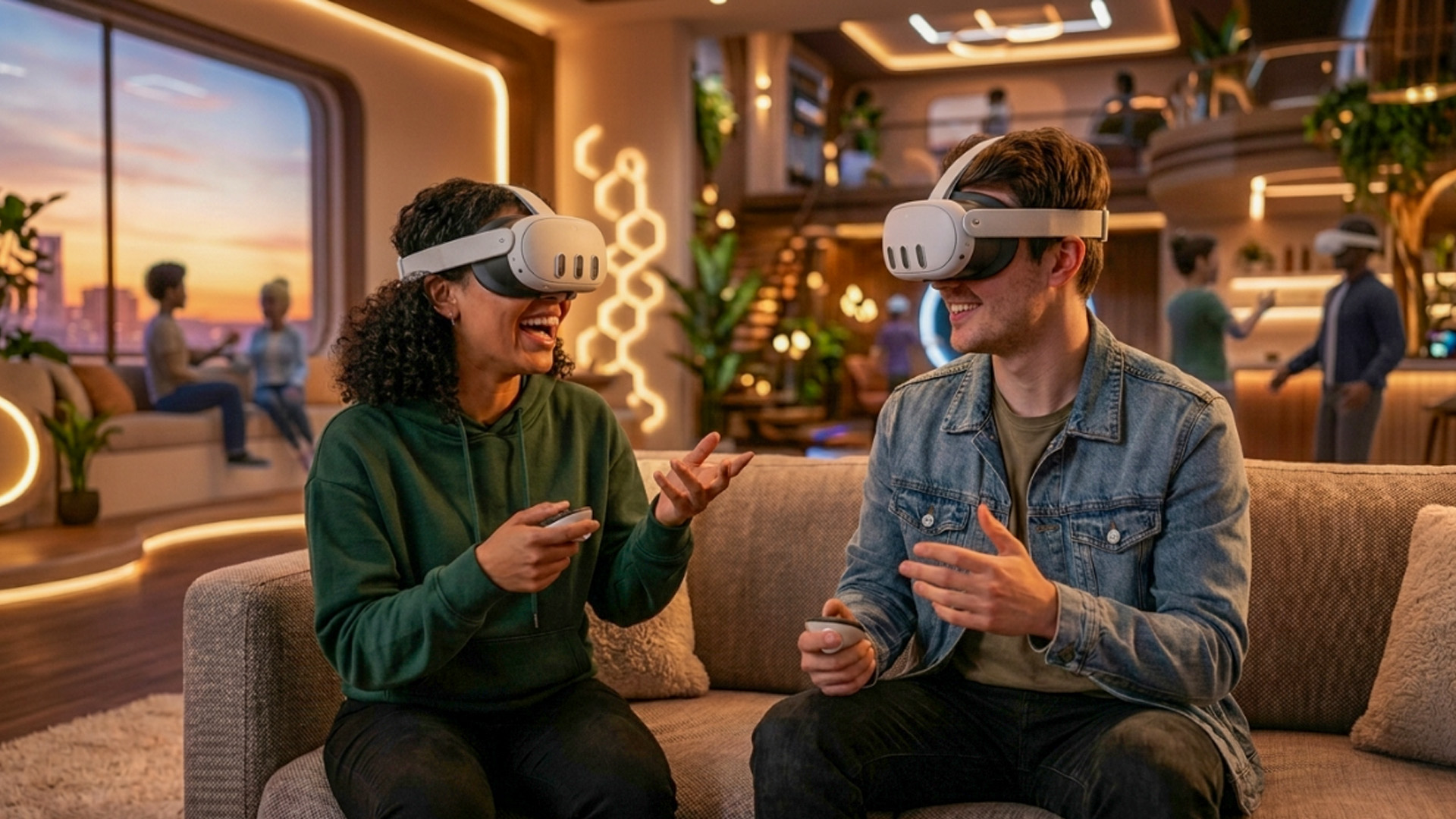
One of the most important aspects of VR events is their ability to create realistic social interaction between attendees.
Social connection plays a major role in how users experience immersive environments.
Real-Time Communication
Most VR event platforms support spatial voice communication, meaning audio changes naturally depending on user positioning inside the virtual environment.
Voices become louder as users move closer together and quieter as they move apart, closely simulating real-world interaction.
This creates conversations that feel far more natural and immersive than standard online communication systems.
Spatial communication also allows multiple conversations to happen simultaneously inside the same virtual space without overwhelming users.
Avatar-Based Interaction
Users typically participate in VR events through customizable digital avatars representing them inside virtual environments.
Modern avatar systems increasingly support advanced interaction features including:
- Hand tracking
- Facial expressions
- Gesture recognition
- Eye tracking
- Full-body motion tracking
- Real-time movement synchronization
These technologies help make communication feel more expressive, emotional, and human.
As avatar realism continues improving, social interaction inside VR environments is becoming increasingly believable and immersive.
Building Digital Communities
Many VR platforms are evolving beyond single events into long-term digital communities where users continue interacting long after events conclude.
This creates opportunities for businesses, educators, and brands to build stronger ongoing relationships with audiences.
Communities can gather for recurring events, social interaction, collaborative activities, education, entertainment, and networking.
These persistent virtual spaces are helping redefine how digital communities form and interact online.
The Technology Behind VR Events
Modern VR events rely on multiple advanced technologies working together to create immersive digital experiences.
As hardware and software continue evolving, VR environments are becoming more realistic, accessible, and scalable.
VR Headsets and Hardware
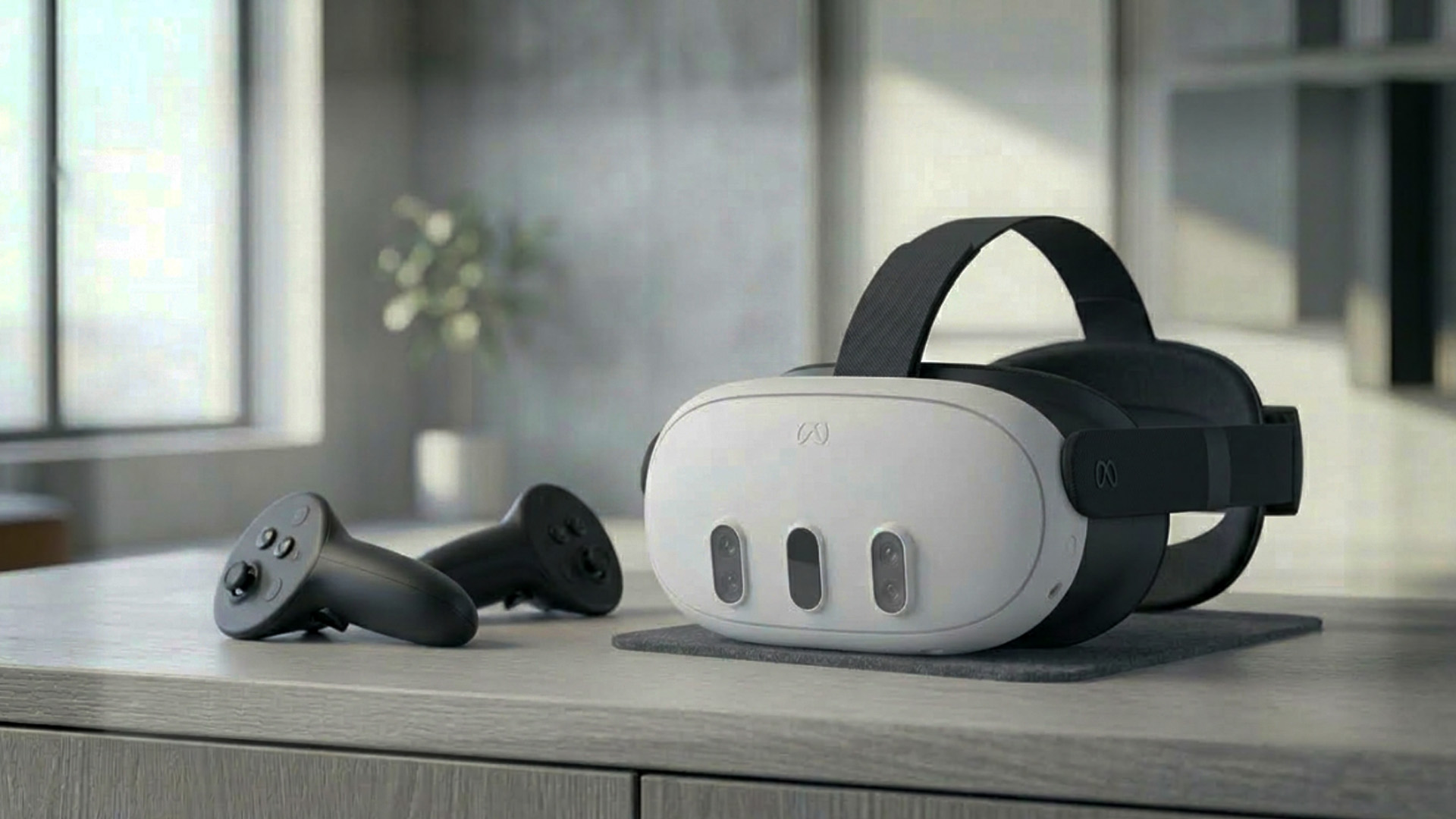
VR headsets are the primary devices used to access immersive event experiences.
Modern VR systems now offer:
- High-resolution displays
- Improved motion tracking
- Wireless connectivity
- Spatial audio systems
- Wider field-of-view optics
- Enhanced comfort for extended sessions
- Faster processing capabilities
These improvements significantly enhance immersion and usability while making VR technology more accessible to mainstream users.
Standalone VR headsets have also reduced the need for expensive external hardware, helping expand adoption globally.
Spatial Audio Technology
Spatial audio is one of the most important technologies used in immersive VR events.
Directional sound positioning allows users to perceive where sounds and conversations originate within virtual environments.
This creates realistic communication and significantly improves the sense of presence.
Without spatial audio, immersive environments would feel far less convincing and socially engaging.
Real-Time Rendering and Networking
VR event platforms require advanced rendering systems and stable networking infrastructure capable of supporting large numbers of simultaneous users.
Low latency and synchronized environments are essential for maintaining realistic interaction.
Powerful game engines, cloud computing systems, multiplayer networking technologies, and optimized rendering pipelines all contribute to creating smooth immersive experiences.
As internet infrastructure improves globally, larger and more complex VR events are becoming technically possible.
The Future of VR Events
The VR events industry continues growing rapidly as immersive technologies become more affordable, powerful, and widely adopted.
Future VR event experiences are expected to become even more realistic, interactive, and socially connected.
Advancements in areas such as:
- Artificial intelligence
- Avatar realism
- Haptic feedback
- Eye tracking
- Full-body tracking
- Mixed reality integration
- Real-time rendering
- Cloud streaming technology
will continue expanding what immersive digital experiences can achieve.
Businesses, educators, entertainment companies, and organizations adopting VR event technology early are positioning themselves to deliver more innovative, scalable, and engaging digital experiences in the evolving online landscape.
As the boundary between physical and digital interaction continues to blur, VR events are likely to become a major part of the future of communication, entertainment, collaboration, and online social interaction.
Author: Elisha Roodt
Johannesburg's leading intelligence hub on immersive technology. Delivering comprehensive coverage, expert analysis, and breakthrough news on Virtual Reality (VR), Augmented Reality (AR), and the Metaverse.