
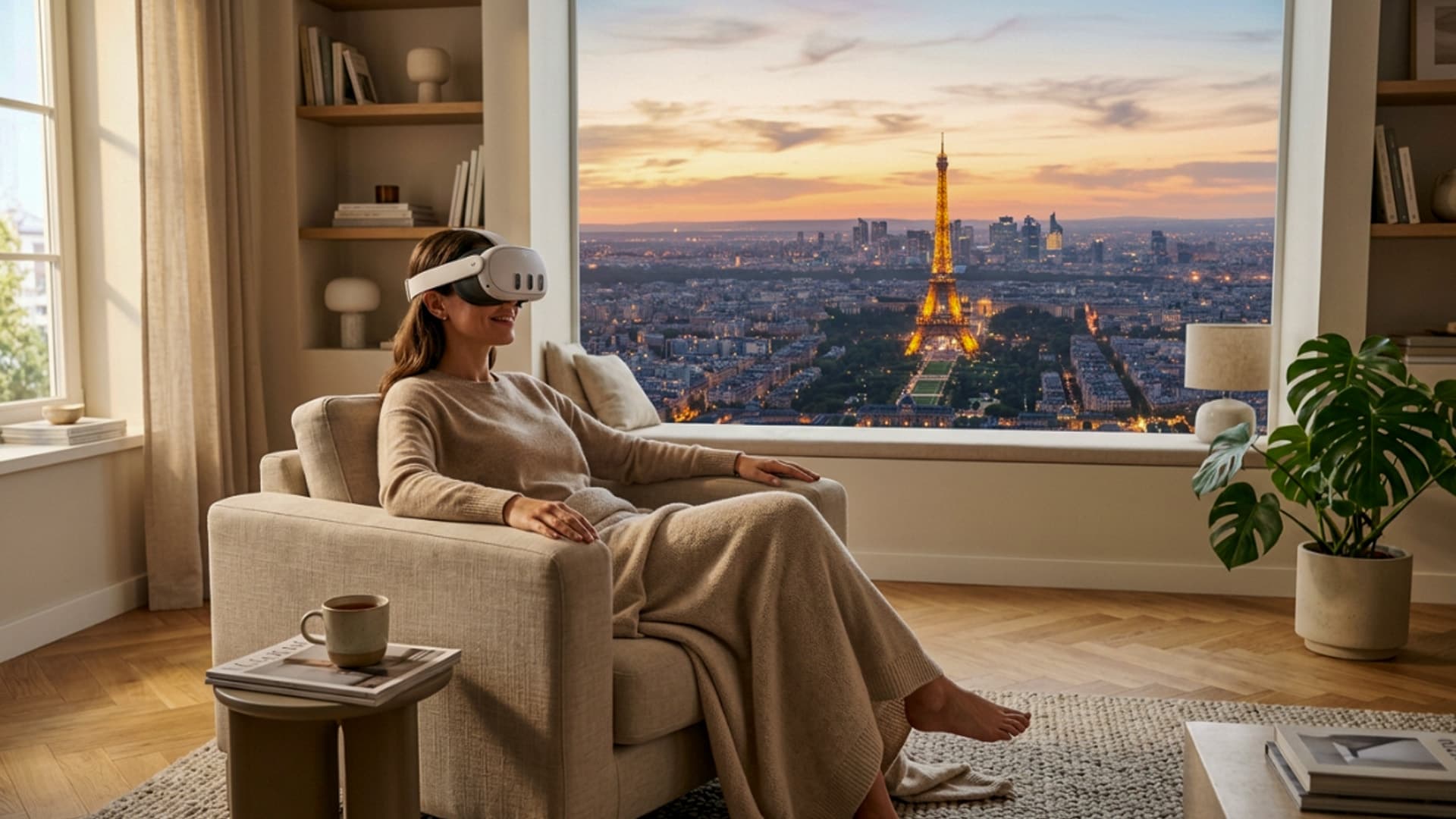
3D SPATIAL DIGITAL TWINS
VIRTUAL TOURS
SOUTH AFRICA.
Unlock 24/7 global accessibility to your physical locations. We create highly detailed Matterport virtual tours, premium 360-degree photography, and tailored Google Maps Street View integrations.
01 / REMOTE ACCESSIBILITY
Showcasing Spaces.
Virtual tours and 360 tours of spaces and places are powerful tools for marketing businesses and services remotely to potential customers. Many companies do not realize how impactful virtual tours can be and the significant benefits they offer.
A virtual tour is a simulation of an existing location, typically composed of a sequence of still images or video segments. It may also incorporate other multimedia elements like sound effects, ambient music, voiceover narration, and text highlights, designed to give viewers the authentic sensation of walking through a physical location without actually being there. Virtual tours are more than just panoramic pictures; they are modern-day storytelling tools that allow exploration, navigation, and seamless remote interaction.
“Virtual tours offer the next best experience to physically visiting a location, providing an accurate visual representation that benefits real estate, retail, and industrial operations.”
02 / VALUE PROPOSITION
Why Virtual Tours?
Explore how custom 360-degree photography and premium Matterport virtual twin scanners map physical spaces into highly interactive experiences.
Why Virtual Tours
Virtual tours offer the next best experience to physically visiting a location, business, or space, providing an accurate visual representation that benefits real estate, manufacturing, and retail.
Matterport Virtual Tours
We specialize in creating highly immersive virtual tours using the Matterport Scanner—widely recognized as the leading commercial system to capture properties with exceptional accuracy and detail.
03 / SPECIALIZED VERSATILITY
Types of Virtual Tours
We design and engineer bespoke virtual walkthroughs optimized for any physical space or business model.
Real Estate Virtual Tours
Designed to show potential buyers or renters the precise details of a property, allowing them to navigate different rooms and get an accurate feel for the layout without an in-person visit.
Educational Virtual Tours
Used by schools and educational institutions to simulate visits to museums, historical sites, and complex scientific environments, providing a dynamic, highly engaging learning experience.
Corporate Virtual Tours
Companies use these tours for virtual onboarding of new employees, showcasing the corporate environment to high-end hires, or giving stakeholders a transparent view into operations.
Business Virtual Tours
From small boutique spaces to sprawling retail showrooms, tours give customers a welcoming glimpse of what to expect, enticing them to visit in person or buy products online.
Showrooms & Venues
Perfectly display venue layout, custom interior design, and visual amenities to prospective event coordinators, helping them plan complex spatial staging and logistics remotely.
Events & Exhibitions
Extend the reach of massive trade shows, commercial expos, and creative art fairs beyond physical constraints, allowing global audiences to fully experience the atmosphere virtually.
04 / THE SYSTEM PLATFORM
The Technology
Behind 360 Tours.
The backbone of our tours is high-fidelity 360-degree photography stitched with customized software into high-speed, navigable digital environments.
Google Maps Integration
We are trusted Google StreetView Photographers. We seamlessly publish your high-resolution virtual tour to Google Maps, Google Street View, and Google Earth to boost organic local search visibility.
Matterport Scanner Precision
We specialize in capturing high-accuracy spaces using the industry-leading Matterport Virtual Tour scanners. These tools map spatial dimensions with millimetric precision for detailed 3D digital twins.
Interactive Custom Overlays
We engineer customized, intuitive user interfaces that integrate interactive clickable hotspots, dynamic e-commerce shopping links, custom soundscapes, and embedded informational videos.
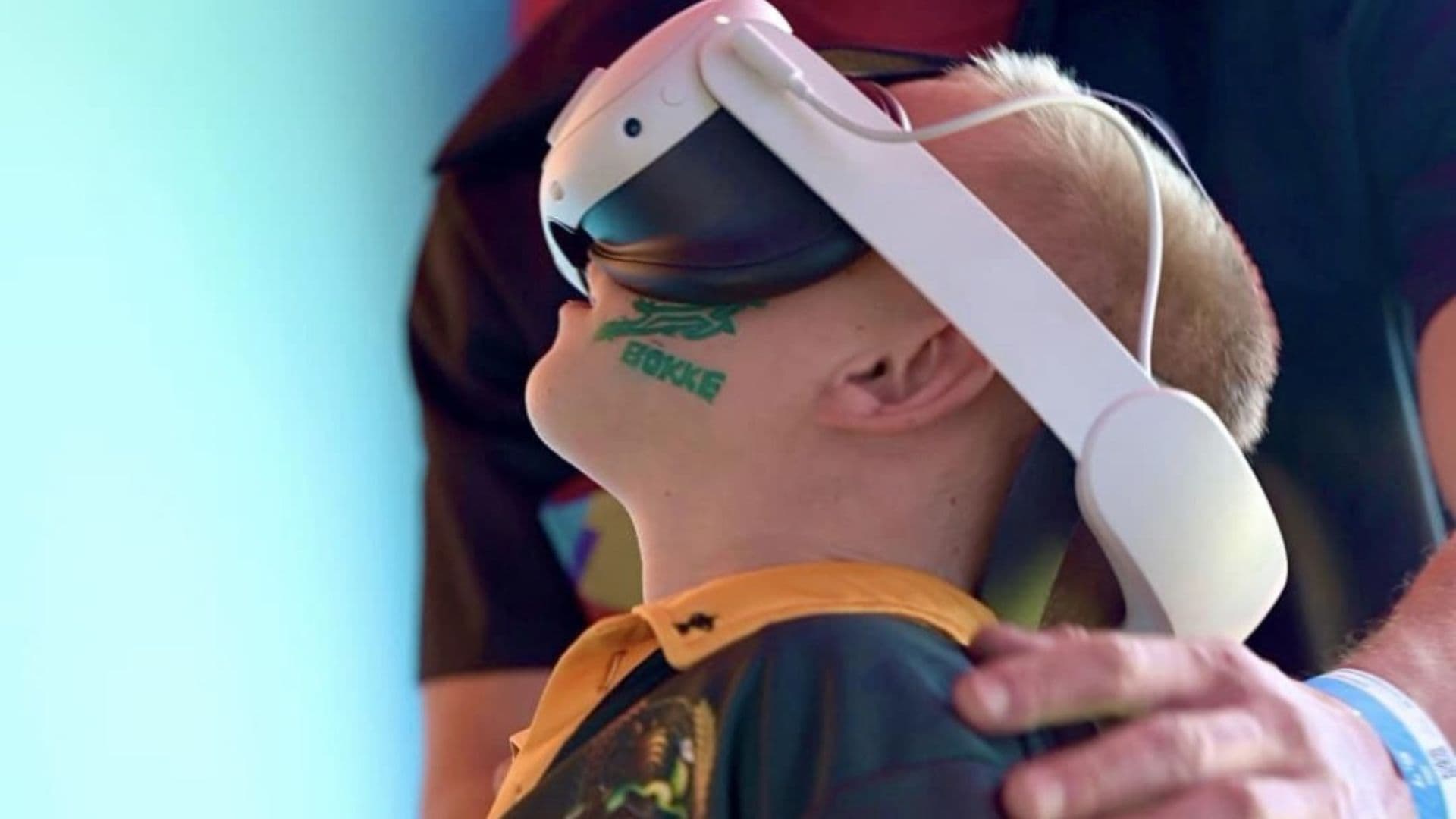
Experience True
Virtual Reality.
Partner with South Africa's original virtual reality pioneers. Backed by over 25 years of spatial engineering expertise since 1998, we develop custom high-fidelity simulators, immersive brand activations, and interactive virtual environments tailored for corporate and enterprise growth in Johannesburg.