
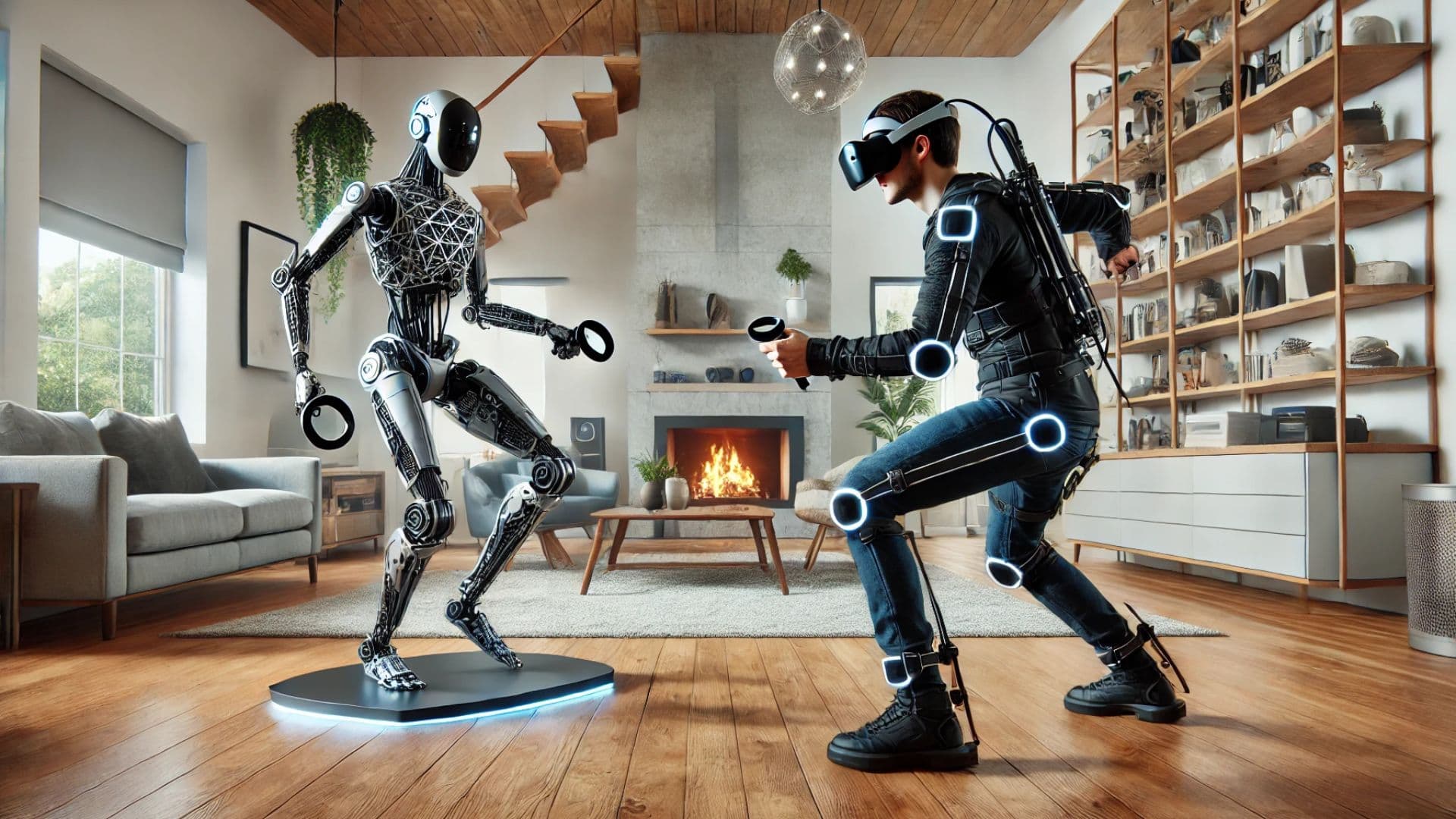
Dive into Full-Body Tracking for PC VR & Quest
Full-body tracking is a transformative advancement in virtual reality (VR) technology. It elevates user immersion by enabling precise, real-time...
Full-body tracking is a transformative advancement in virtual reality (VR) technology. It elevates user immersion by enabling precise, real-time movement replication, significantly enhancing the overall VR experience. Whether you’re exploring expansive virtual worlds, participating in social VR gatherings, or engaging in fitness activities, full-body tracking bridges the gap between the virtual and the real. This technology makes interactions more natural and intuitive, allowing users to move freely and see their actions mirrored accurately within the virtual environment. As a result, the sense of presence and engagement in VR is dramatically improved, providing a more immersive and lifelike experience.
Importance of Full-Body Tracking in VR
Full-body tracking is a transformative advancement in virtual reality (VR) technology. It significantly elevates user immersion by enabling precise, real-time movement replication, thereby enhancing the overall VR experience. Whether you’re exploring expansive virtual worlds, participating in social VR gatherings, or engaging in various fitness activities, full-body tracking bridges the gap between the virtual and the real. This technology makes interactions more natural and intuitive, allowing users to move freely and see their actions accurately mirrored within the virtual environment. Consequently, the sense of presence and engagement in VR is dramatically improved, providing a more immersive and lifelike experience for users.
Full-Body Tracking Technology
Full-body tracking technology uses a combination of sensors and algorithms to capture and replicate the movements of the entire body within a virtual environment. This sophisticated technology involves complex hardware and software components, which work together to provide a seamless and immersive experience.
The primary methods of full-body tracking include lighthouse-based systems and inertial measurement unit (IMU) systems, each with distinct operational principles and benefits. Lighthouse-based systems utilize external sensors placed around the environment to track the body's position and movements accurately. In contrast, IMU systems rely on sensors attached to the body, which measure acceleration and rotational rates to determine movement. Both methods have their advantages, offering users different options for achieving precise and realistic full-body tracking in VR.
Understanding Full-Body Tracking
What is Full-Body Tracking?
Full-body tracking in virtual reality (VR) denotes the advanced functionality of a VR setup to meticulously capture and mirror all movements of a user’s body. In contrast to conventional VR setups that solely monitor head and hand gestures, full-body tracking offers a holistic portrayal of the user's stance and actions. This capability significantly enhances immersion and interaction within the virtual environment, facilitating more lifelike experiences and nuanced interactions with virtual elements and environments.
Key Components of Full-Body Tracking Systems
Full-body tracking systems are intricately designed with several critical components that collectively enhance the immersive experience of virtual reality (VR). At the core of these systems are sensors and trackers strategically placed on different parts of the user's body. These sensors meticulously capture movement data, ensuring that even subtle gestures and postural changes are accurately recorded. Complementing these sensors are base stations, which emit signals that facilitate precise localization and synchronization of the user's movements in the virtual space.
Furthermore, the role of software in full-body tracking systems cannot be overstated. Advanced algorithms within the software meticulously process the data collected by sensors and trackers. This processing ensures that the user's movements are faithfully replicated within the virtual environment, translating raw data into fluid, lifelike interactions. By seamlessly integrating these components, full-body tracking systems enable users to engage in virtual experiences with unparalleled realism and responsiveness. Whether navigating virtual landscapes or interacting with virtual objects, these systems create a heightened sense of presence and immersion, transforming how users interact and experience virtual reality.
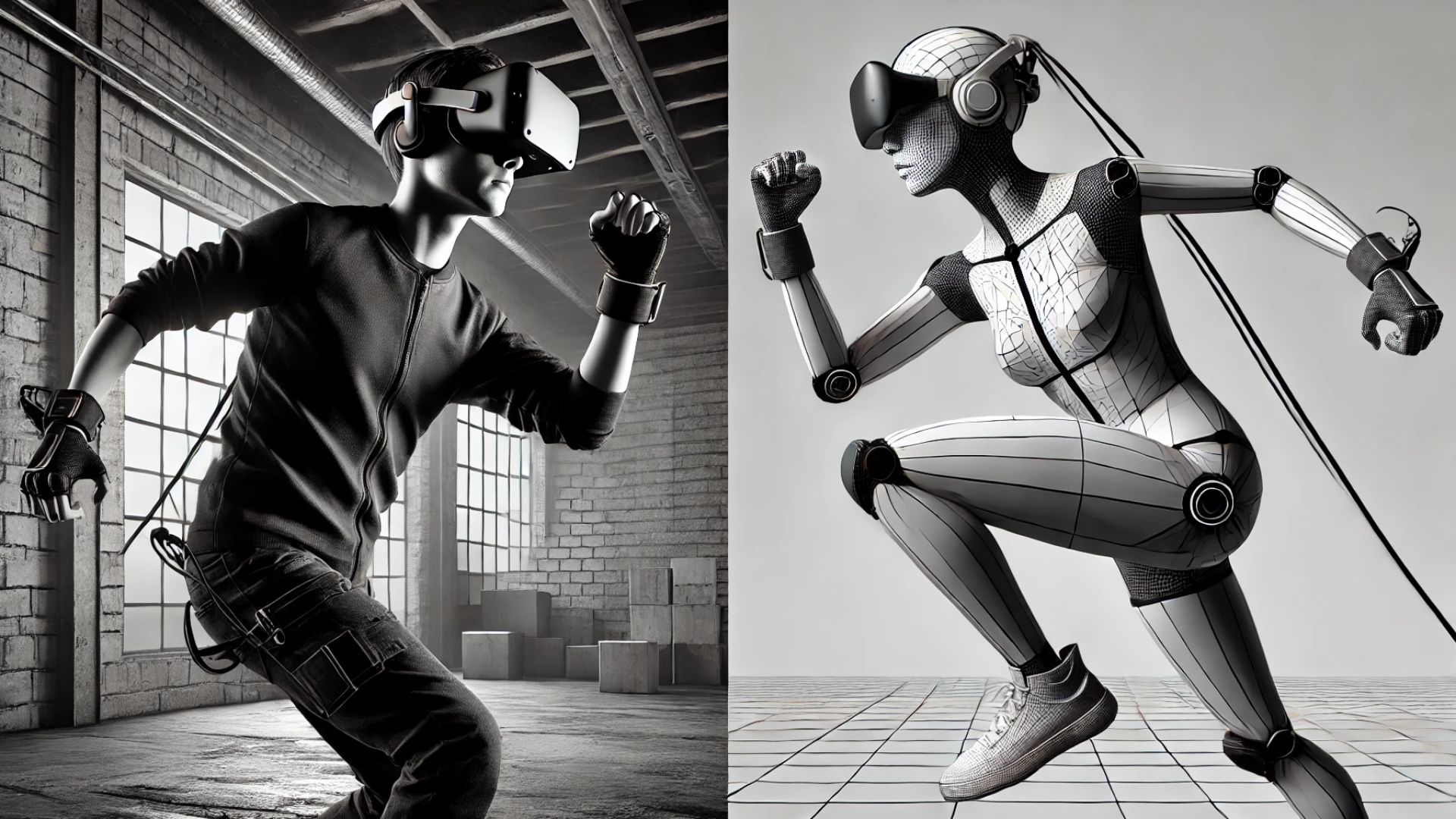
Types of Full-Body Tracking Systems
Lighthouse-Based Tracking
Lighthouse-based tracking systems operate by employing external base stations that emit laser beams to precisely track the positions of sensors affixed to the user's body. This method is renowned for its exceptional accuracy and minimal latency, making it particularly well-suited for applications demanding exact replication of movements. However, its effectiveness hinges on the availability of a dedicated playspace and the installation of additional hardware components, which can incur substantial costs.
The external base stations emit synchronized laser pulses that are detected by sensors on the user's body, enabling the system to calculate precise positional data in real time.
This meticulous tracking capability ensures that movements are faithfully mirrored within the virtual environment, heightening immersion and interaction quality. Despite its advantages in accuracy and responsiveness, the requirement for a dedicated playspace and the cost of additional hardware remain considerations for adopting lighthouse-based tracking systems in VR applications.
IMU-Based Tracking
IMU-based tracking systems rely on inertial measurement units to monitor and track the rotation and movement of sensors attached to the user's body. Unlike lighthouse-based systems, IMU-based setups do not necessitate external base stations, rendering them more affordable and portable. This accessibility makes them appealing for applications where flexibility and cost efficiency are paramount. However, IMU-based systems are susceptible to issues such as drift, where cumulative errors in measurement can lead to discrepancies in tracking accuracy over extended periods. This drift phenomenon can diminish the system's ability to precisely replicate movements over time, affecting the overall quality of the user experience. Despite these challenges, ongoing advancements in sensor technology and software algorithms aim to mitigate drift and enhance the reliability of IMU-based tracking systems for diverse virtual reality and augmented reality applications.
Comparative Analysis of Both Systems
When comparing lighthouse-based and IMU-based tracking systems, several critical factors influence the decision-making process. Lighthouse systems are renowned for their exceptional accuracy and reliability, facilitated by external base stations that emit precise laser beams to track sensor positions. However, this high level of performance comes at a greater cost and involves more complex setup procedures, including the need for a dedicated playspace.
In contrast, IMU-based tracking systems offer affordability and ease of setup since they do not require external base stations. These systems utilize inertial measurement units to monitor sensor movements, making them more portable and accessible for various applications. However, IMU systems can be susceptible to accuracy issues, such as drift over time, which necessitates regular recalibration to maintain optimal performance.
Setting Up Full-Body Tracking on PC VR
Hardware Requirements for PC VR
Setting up full-body tracking on a PC VR system requires several essential components tailored to the specific tracking method chosen. For lighthouse-based systems, such as those utilized by the Valve Index or HTC Vive, you'll need VR-capable PC hardware, a compatible VR headset, and external base stations along with trackers. These base stations emit laser signals to precisely monitor the positions of trackers placed on your body, ensuring accurate movement replication within the virtual environment.
Alternatively, IMU-based tracking systems offer a more affordable and versatile setup. Alongside a VR-capable PC and compatible VR headset, IMU-based systems utilize sensors equipped with inertial measurement units. These sensors are typically attached to different parts of your body using straps or similar accessories. They monitor rotational and positional data directly, eliminating the need for external base stations and reducing setup complexity.
Both approaches cater to different needs and budgets in the realm of virtual reality. Lighthouse-based systems excel in accuracy and reliability but require a dedicated playspace and involve higher initial costs. IMU-based systems provide a more accessible setup with lower costs and greater portability, albeit with potential challenges like drift that may require periodic recalibration. Choosing the right setup depends on your specific requirements for immersion, accuracy, and overall VR experience.
Step-by-Step Setup Guide for Lighthouse-Based Systems
Step-by-Step Setup Guide for IMU-Based Systems
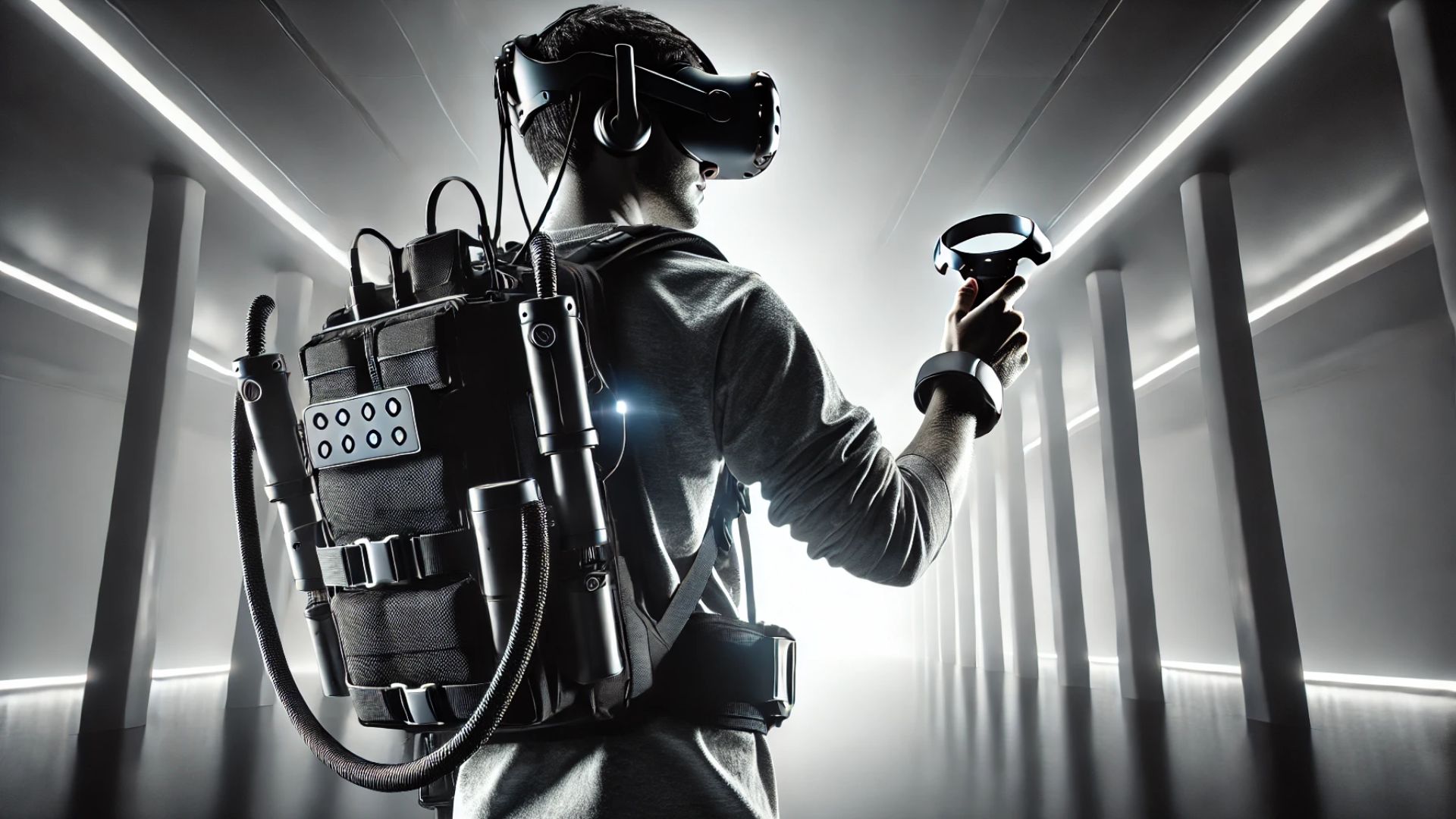
Setting Up Full-Body Tracking on Quest
Hardware Requirements for Quest
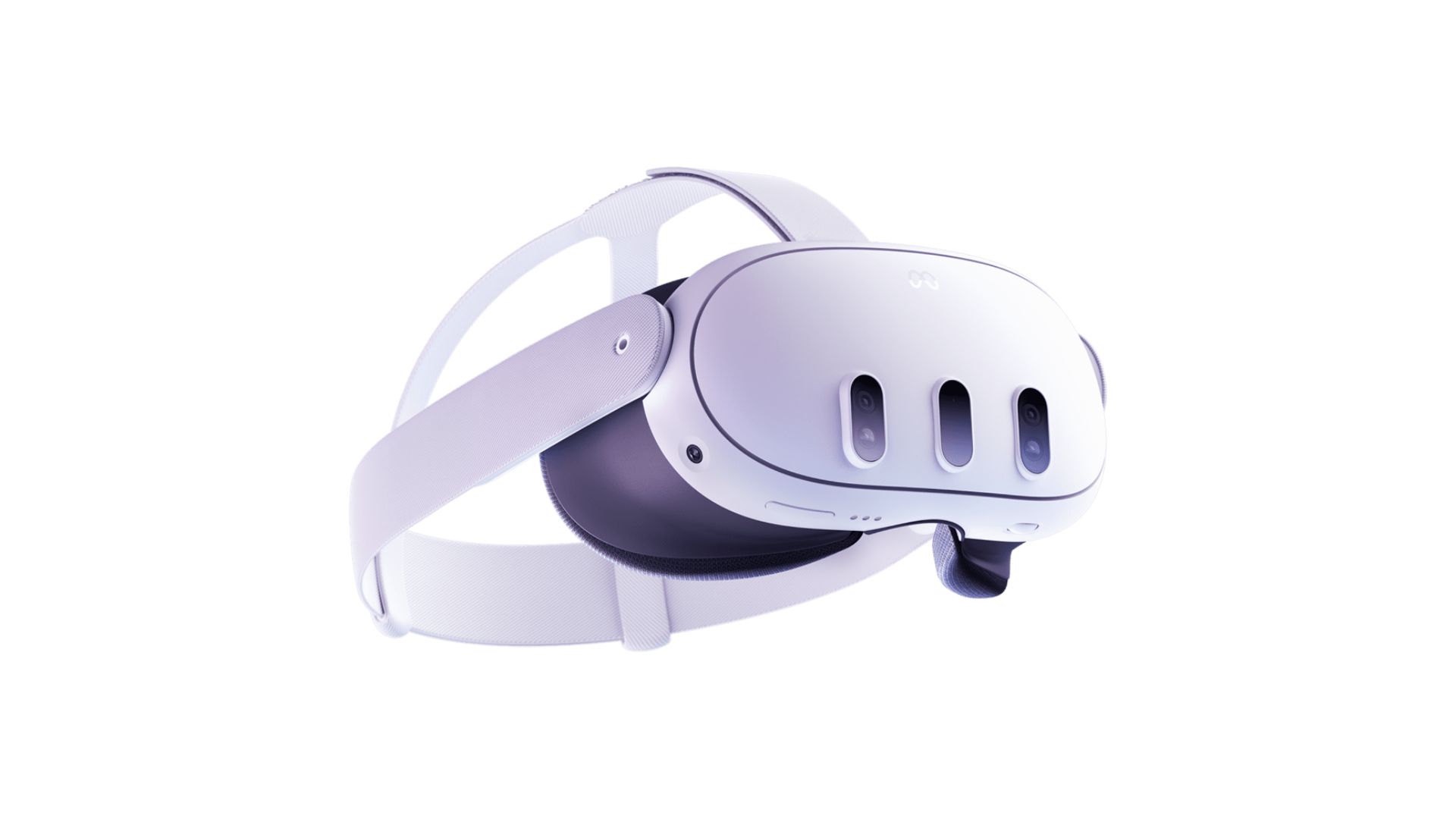
To achieve full-body tracking on the Oculus Quest, which does not support lighthouse-based tracking like some other PC VR systems, IMU-based sensors are essential. These sensors utilize inertial measurement units to monitor the movements and rotations of various body parts. They are typically attached to the user's body using straps or other secure methods.
Given the Quest's wireless and standalone nature, the use of IMU-based sensors aligns well with its portability and ease of setup. While this approach may not offer the same level of precision as lighthouse-based systems, it provides a practical solution for users seeking full-body tracking capabilities on the Oculus Quest without the need for external base stations or complex setup procedures.
Step-by-Step Setup Guide for IMU-Based Systems on Quest
Cost Considerations
Price Comparison: Lighthouse vs IMU Systems
Lighthouse-based tracking systems are known for their higher cost compared to IMU-based alternatives. The expense of lighthouse-based systems primarily stems from the need to purchase base stations, trackers, and potentially additional accessories like mounting hardware. These components work in tandem to provide precise spatial tracking within the VR environment, contributing to a higher initial investment.
Conversely, IMU-based tracking systems tend to be more affordable. They rely on sensors equipped with inertial measurement units, which are typically less costly than the base stations and trackers used in lighthouse-based setups. However, the total cost of an IMU-based system can still vary based on factors such as the number of sensors required to achieve full-body tracking and any additional features included in the setup.
Ultimately, the choice between lighthouse-based and IMU-based tracking systems often boils down to budget considerations and specific use case requirements. While lighthouse-based systems offer superior accuracy and reliability at a higher cost, IMU-based systems provide a more economical alternative suitable for many VR applications, particularly those where precise but not necessarily millimeter-perfect tracking is sufficient.
Budget-Friendly Options and DIY Solutions
For budget-conscious users, do-it-yourself (DIY) solutions offer a practical way to achieve full-body tracking without the higher costs associated with commercial systems. Many open-source IMU-based tracking projects enable enthusiasts to construct their own sensors using easily accessible components. These projects often leverage Arduino or similar microcontrollers along with off-the-shelf IMU modules and straps for attachment.
Online communities and tutorials play a crucial role in DIY VR projects, providing step-by-step instructions, code repositories, and troubleshooting advice. This collective knowledge helps users navigate the intricacies of building and calibrating DIY tracking systems, ensuring they meet the desired performance standards for immersive virtual reality experiences.
By embracing DIY solutions, users not only reduce costs significantly but also gain valuable insights into the underlying technology of VR tracking systems. This hands-on approach fosters creativity and customization, allowing individuals to tailor their setups to specific preferences or experimental needs. Overall, DIY IMU-based tracking systems democratize access to advanced VR capabilities, making them accessible to a broader audience of enthusiasts and developers alike.
Performance and Accuracy
Evaluating Tracking Accuracy
Tracking accuracy is paramount for delivering a truly immersive and satisfying virtual reality (VR) experience. Lighthouse-based systems are typically favored for their superior accuracy, largely attributable to the precise synchronization enabled by external base stations. These base stations emit laser signals that synchronize with trackers attached to the user's body, ensuring minimal latency and high fidelity in positional tracking.
In contrast, IMU-based systems rely on sensors equipped with inertial measurement units to monitor movements. While these systems have made strides in accuracy, they can still encounter challenges such as drift over time. Drift refers to gradual errors in measurement that accumulate and can lead to discrepancies in tracking accuracy. To mitigate drift and maintain optimal performance, IMU-based systems often require periodic recalibration, which involves realigning the sensors to correct any inaccuracies.
Despite these considerations, IMU-based systems offer advantages such as affordability, portability, and ease of setup, making them a practical choice for many VR applications. Ongoing advancements in sensor technology and software algorithms continue to enhance the reliability and accuracy of IMU-based tracking systems, narrowing the gap with lighthouse-based alternatives.
Ultimately, the choice between lighthouse-based and IMU-based tracking systems hinges on specific use case requirements, budget constraints, and the desired level of tracking precision. Both approaches contribute to enriching VR experiences by enabling natural and responsive interactions within virtual environments.
User Experience and Applications
Enhancing Immersion in VR Games
Full-body tracking in VR games represents a substantial leap forward in immersive gameplay by faithfully replicating a user's movements within the virtual environment. By capturing and reflecting the entirety of a user's body, from head to toe, these systems create a more lifelike representation that enhances the overall sense of presence and realism. This capability allows users to visually perceive their actions in real-time, promoting more intuitive and natural interactions with virtual objects and environments.
The impact of full-body tracking is particularly profound in VR games that emphasize physical activity and social interactions. Games requiring precise body movements, such as sports simulations or dance games, benefit immensely from the accurate replication provided by full-body tracking. Users can engage in activities like swinging a virtual racket or dancing with friends, with their movements mirrored accurately in the game world. This not only enhances gameplay mechanics but also fosters a deeper sense of immersion and enjoyment.
Moreover, full-body tracking enhances social interactions in VR by enabling more expressive communication through body language and gestures. Players can see and respond to each other's movements in real-time, fostering a more immersive and collaborative gaming experience. Whether competing in virtual sports or engaging in cooperative gameplay, full-body tracking enriches interactions and gameplay dynamics, creating memorable and engaging experiences for VR enthusiasts and gamers alike.
Applications Beyond Gaming: Fitness, Social VR, and More
Beyond gaming, full-body tracking technology holds significant potential across various applications, including fitness, social VR, and professional training. In fitness, this technology revolutionizes virtual workouts by precisely tracking exercises and movements. Users can receive real-time feedback on their form and performance, enhancing the effectiveness of their fitness routines. Virtual environments can simulate interactive fitness classes or personalized coaching sessions, providing a dynamic and engaging workout experience. In social VR settings, full-body tracking enhances the sense of presence and interaction among users. By accurately replicating full-body movements and gestures, it allows avatars to mirror users' actions in real-time. This capability fosters more natural and expressive communication, enabling users to engage in virtual meetings, social gatherings, or collaborative activities with greater immersion and authenticity.
Professionally, full-body tracking is invaluable in training simulations across diverse fields such as medicine, military operations, and industrial environments. In medical training, for instance, simulating complex surgeries with accurate body movement replication helps trainees develop and refine their surgical skills in a safe and controlled virtual setting. Similarly, in military and industrial training scenarios, full-body tracking enables realistic simulations of maneuvers, equipment operation, and hazard response protocols, preparing personnel for real-world challenges more effectively. Overall, the versatility of full-body tracking extends its impact beyond entertainment, enhancing physical fitness, social interaction, and professional development across various industries. As technology continues to advance, the applications of full-body tracking are poised to further transform how individuals interact with virtual environments and undertake specialized training in fields requiring precise movement replication.

Troubleshooting Common Issues
Connectivity Problems and Solutions
Connectivity issues in VR systems can disrupt the immersive experience and are often caused by factors like interference, hardware malfunctions, or software bugs. To address these issues effectively, it's crucial to follow several troubleshooting steps:
By systematically addressing these steps, users can mitigate connectivity issues and ensure a smoother and more reliable VR experience. Regular maintenance, proper setup, and staying informed about updates and best practices are key to optimizing the performance of VR tracking systems.
Calibration and Tracking Accuracy Fixes
Calibration issues can indeed impact the accuracy of tracking systems, particularly in VR environments where precise movement replication is crucial for immersion and functionality. Here are some steps to address and mitigate calibration issues:
By addressing calibration issues promptly and following best practices for sensor attachment and recalibration, users can optimize tracking accuracy in VR systems, enhancing overall immersion and user experience in virtual environments.
Future of Full-Body Tracking
Upcoming Innovations and Technologies
The future of full-body tracking holds great promise, driven by continuous advancements across sensor technology, machine learning, and artificial intelligence (AI). These innovations are poised to significantly enhance tracking accuracy, reduce latency, and ultimately elevate the overall user experience in virtual reality (VR) and other applications.
Sensor technology is evolving rapidly, with new generations of sensors offering higher precision and reliability in capturing subtle movements and gestures. These advancements enable more nuanced and realistic interactions within virtual environments, making virtual experiences more immersive and engaging.
Machine learning and AI play pivotal roles in enhancing tracking algorithms. By leveraging AI-driven techniques, tracking systems can intelligently predict and compensate for movement variations, improving accuracy even in challenging conditions. This capability is crucial for maintaining smooth and responsive tracking, particularly during dynamic movements in fast-paced VR applications.
Wireless solutions represent another frontier in full-body tracking development. Eliminating the constraints of cables enhances freedom of movement, making VR experiences more natural and immersive. Improved battery life in wireless devices further supports extended use sessions without interruptions, enhancing user convenience and satisfaction.
Overall, these advancements in full-body tracking technology promise to reshape how users interact with virtual environments across diverse sectors, including gaming, fitness, social VR, and professional training. As research and development continue to push boundaries, the future holds exciting possibilities for creating more lifelike and intuitive virtual experiences that blur the line between the physical and digital worlds.
Community Contributions and Open-Source Developments
The open-source nature of many full-body tracking systems has cultivated a dynamic and collaborative community of contributors. This community actively drives the evolution and enhancement of tracking technology by collectively developing new features, refining accuracy, and exploring innovative applications. One of the key strengths of open-source projects is their accessibility. Users and developers can freely access source code, modify it, and contribute improvements back to the community. This fosters a cycle of continuous improvement where feedback and ideas from diverse perspectives drive innovation forward. Community-driven initiatives often lead to the implementation of advanced features and functionalities that cater to specific user needs and preferences. For example, developers may introduce support for new VR platforms, enhance compatibility with various sensors, or integrate novel algorithms to improve tracking precision and responsiveness.
Moreover, the collaborative nature of open-source communities encourages knowledge sharing and mutual support. Users exchange insights, troubleshooting tips, and best practices through forums, chat channels, and collaborative platforms. This collective effort not only accelerates learning and adoption but also fosters a supportive environment for newcomers and enthusiasts alike. Overall, the vibrant open-source community surrounding full-body tracking systems ensures that the technology remains at the forefront of innovation. By pooling together expertise and resources, these communities play a vital role in democratizing access to advanced tracking capabilities and pushing the boundaries of what is possible in virtual reality and related fields.
Author: Gerald Ferreira
Johannesburg's leading intelligence hub on immersive technology. Delivering comprehensive coverage, expert analysis, and breakthrough news on Virtual Reality (VR), Augmented Reality (AR), and the Metaverse.