
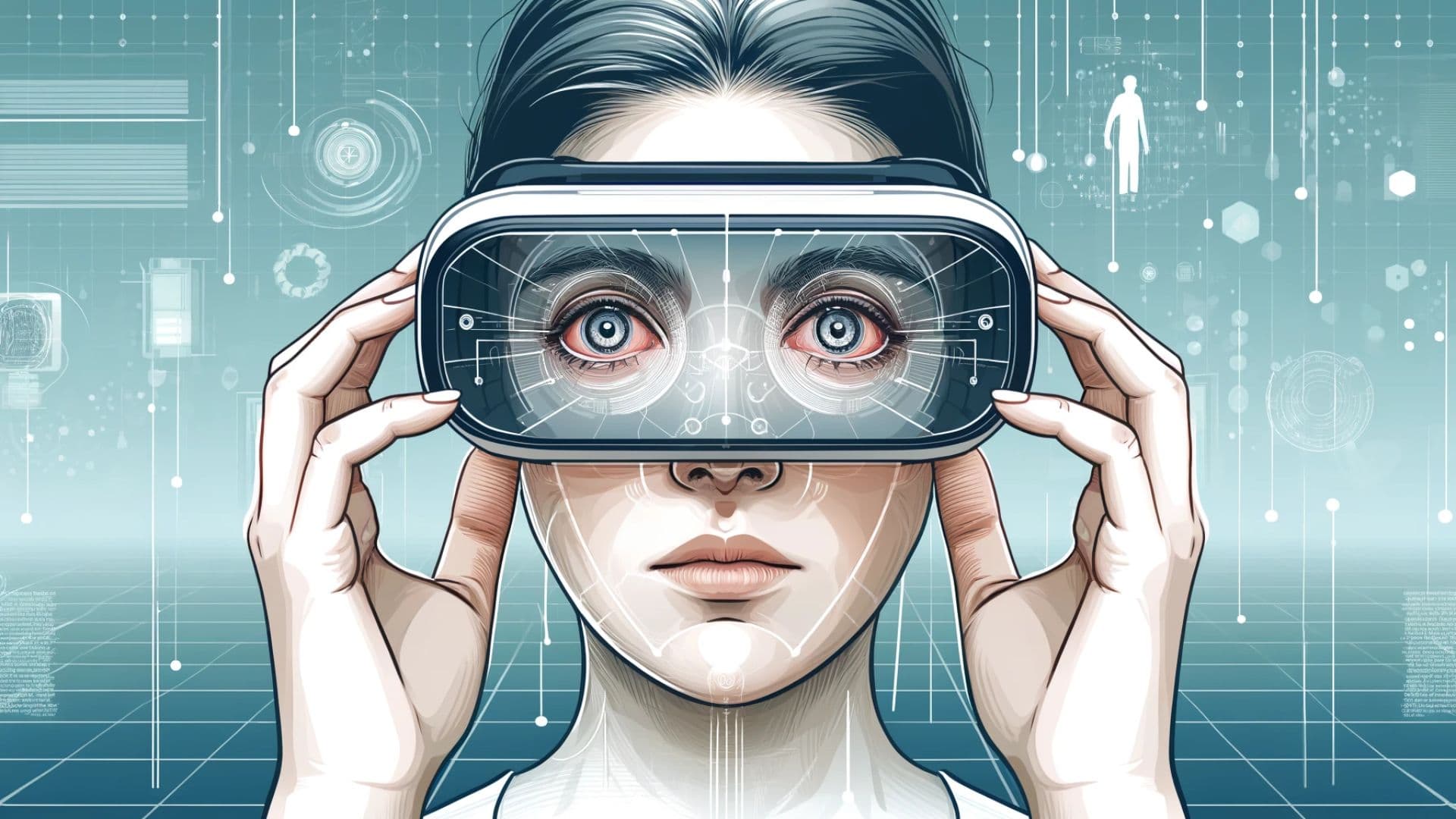
Is Virtual Reality Bad for Your Eyes?
The emergence of virtual reality (VR) technology has transformed the manner in which we engage with digital worlds, providing immersive...
The emergence of virtual reality (VR) technology has transformed the manner in which we engage with digital worlds, providing immersive experiences that were previously only seen in science fiction. Yet, with the growing integration of virtual reality into our day-to-day routines, worries have arisen regarding its effects on eye health. This article examines the possible dangers of using virtual reality, investigating if virtual reality harms the eyes and ways to reduce these risks.
Overview of Virtual Reality Technology
Virtual reality refers to a simulated experience that can be similar to or completely different from the real world. The evolution of VR technology has been rapid, with applications spanning from gaming and entertainment to education, healthcare, and beyond. VR systems typically consist of headsets that provide stereoscopic displays, sensors that track user movements, and input devices for interaction.
The Human Eye: Anatomy and Function
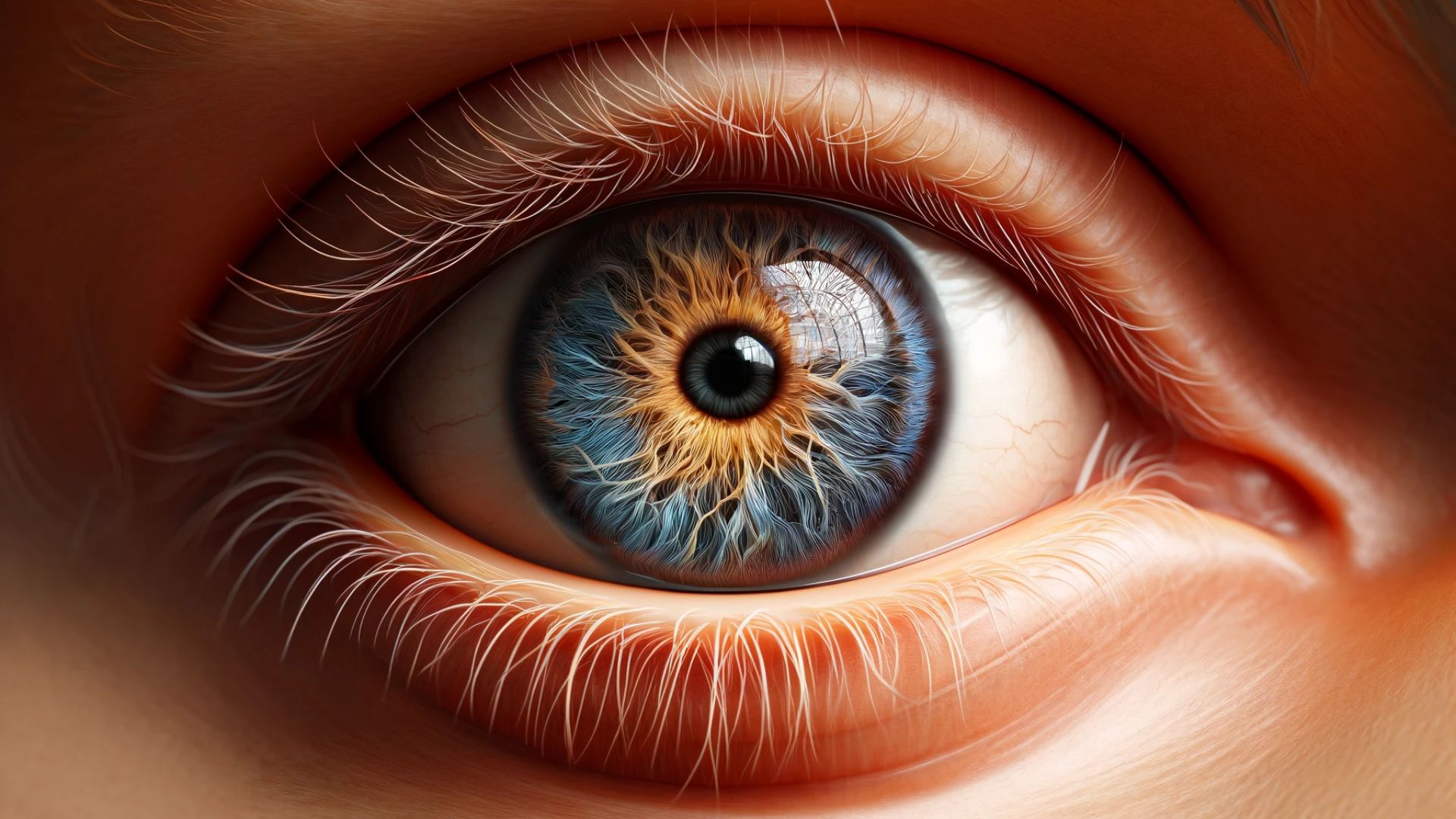
The human eye is a complex organ capable of processing vast amounts of visual information. Key components include the cornea, lens, retina, and optic nerve. The cornea and lens focus light onto the retina, where photoreceptor cells convert light into electrical signals. These signals are then transmitted to the brain via the optic nerve, allowing us to perceive images.
Mechanisms of VR Systems
VR headsets work by presenting slightly different images to each eye, creating a stereoscopic effect that simulates depth. There are various types of VR displays, including OLED and LCD screens, each with its own advantages and disadvantages. The immersive nature of VR relies on these mechanisms to trick the brain into perceiving a virtual environment as real.
Potential Risks of VR for Eye Health
Using VR can pose several risks to eye health. Digital eye strain, also known as computer vision syndrome, is a common issue. Prolonged exposure to blue light emitted by screens can also affect eye health. Additionally, the accommodation-vergence conflict, where the eyes' focusing and convergence mechanisms are at odds, is a significant concern in VR use.
Digital Eye Strain: Causes and Symptoms
Digital eye strain occurs when prolonged screen use leads to discomfort and visual issues. Symptoms include dry eyes, blurred vision, and headaches. VR users often report these symptoms due to the immersive and close-up nature of VR displays.
Impact of Blue Light on Eyes
Blue light, which is emitted by digital screens, can penetrate deep into the eye and has been linked to both short-term and long-term effects. In the short term, it can cause digital eye strain and sleep disturbances. Long-term exposure may increase the risk of retinal damage and macular degeneration.
Accommodation-Vergence Conflict
The accommodation-vergence conflict arises because VR displays require the eyes to focus on a fixed screen while also converging to perceive depth. This mismatch can lead to visual discomfort and fatigue, particularly during extended VR sessions.
Research on VR and Eye Health
Research on the impact of VR on eye health is ongoing. Several studies have highlighted the potential risks, but there are also gaps in the current understanding. Further research is needed to establish definitive guidelines and safety measures.
Preventative Measures for VR Users
To reduce the risk of eye strain and other issues, users should follow recommended screen time limits and take regular breaks. The 20-20-20 rule, which suggests taking a 20-second break to look at something 20 feet away every 20 minutes, can be particularly effective.
Ergonomic Considerations
Proper use of VR headsets is crucial for minimizing eye strain. Users should ensure that headsets fit correctly, maintain a proper posture, and keep an appropriate viewing distance. Ergonomic adjustments can significantly reduce the risk of discomfort.
Eye Exercises and Relaxation Techniques
Incorporating eye exercises and relaxation techniques into daily routines can help mitigate strain. Exercises such as focusing on distant objects, blinking regularly, and performing eye movements can be beneficial. Relaxation techniques like palming (covering the eyes with the palms) can also provide relief.
Children and VR: Special Considerations
Children's eyes are still developing, making them more susceptible to the potential negative effects of VR. It is essential to limit their exposure and ensure they follow safe usage guidelines. Experts recommend shorter VR sessions and regular breaks for younger users.
VR Manufacturers' Efforts to Mitigate Risks
VR manufacturers are aware of the potential risks and are continuously working on innovations to improve user safety. These include incorporating eye-tracking technology, reducing blue light emissions, and providing detailed user guidelines to minimize risks.
Future of VR and Eye Health
The future of VR holds promise for technological advancements that could mitigate current risks. Ongoing research and development are focused on creating more user-friendly and eye-safe VR systems. Potential innovations include adaptive displays and improved ergonomic designs.
Alternatives to VR
Alternatives like augmented reality (AR) and mixed reality (MR) offer immersive experiences with potentially lower risks to eye health. AR overlays digital information onto the real world, while MR blends real and virtual environments, both providing different levels of interaction and visual demands.
Public Health Recommendations
Health organizations provide recommendations for safe VR use, emphasizing moderation and regular breaks. Public awareness campaigns can also help educate users about the potential risks and preventative measures.
Author: Gerald Ferreira
Johannesburg's leading intelligence hub on immersive technology. Delivering comprehensive coverage, expert analysis, and breakthrough news on Virtual Reality (VR), Augmented Reality (AR), and the Metaverse.