
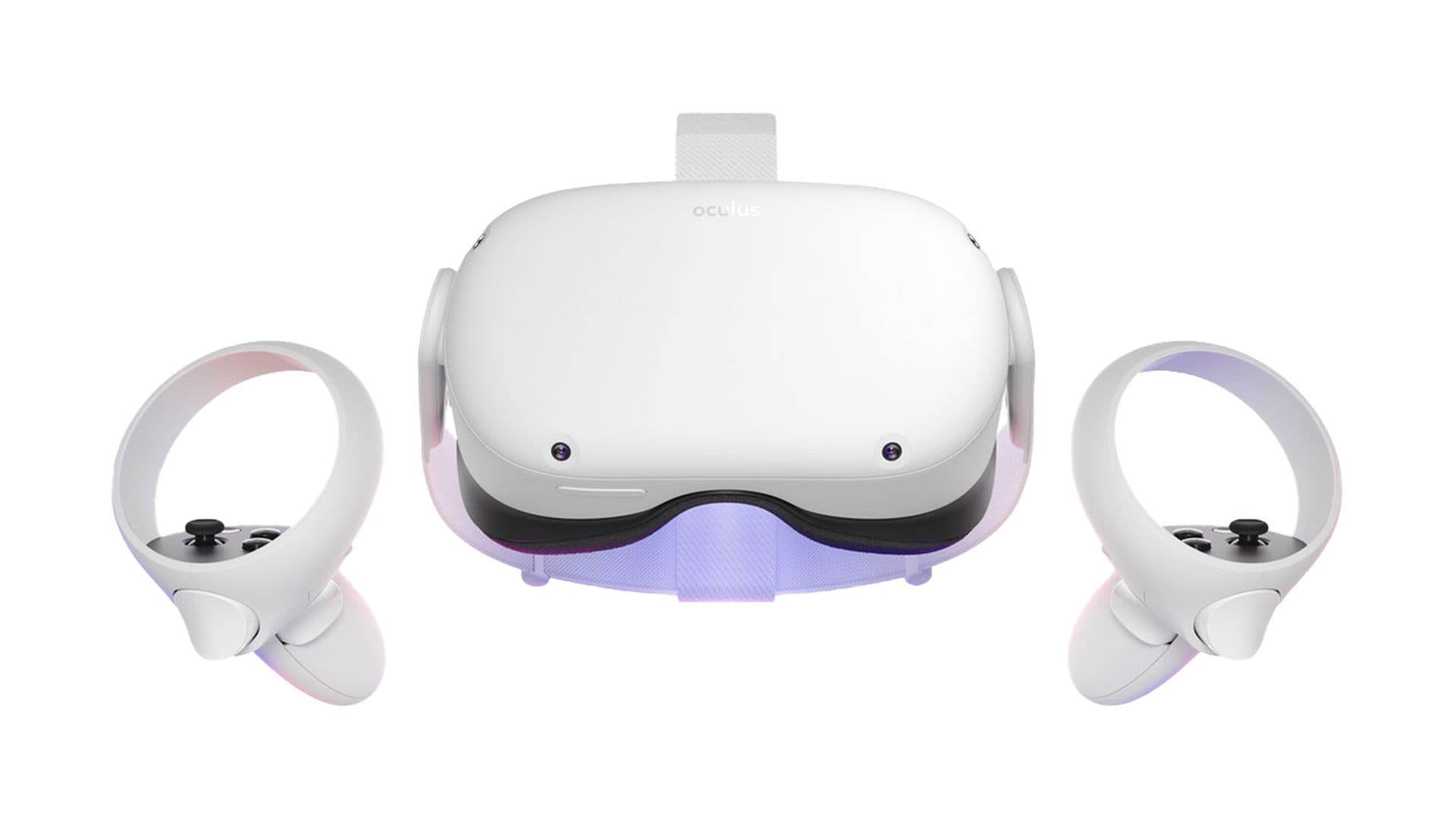
Should You Buy The Quest 2 in 2024? — Price Reduction
The landscape of virtual reality (VR) is ever-evolving, and the recent price reduction of the Oculus Quest 2 has stirred significant interest...
The landscape of virtual reality (VR) is ever-evolving, and the recent price reduction of the Oculus Quest 2 has stirred significant interest among tech enthusiasts and casual gamers alike. As VR becomes more mainstream, understanding whether the Quest 2 remains a worthwhile investment in 2024 is crucial. Let's dive into the specifics to help you make an informed decision.
Current Market Trends and VR Adoption Rates
Virtual reality, once confined to its niche beginnings, has now evolved into a widely embraced mainstream phenomenon. Thanks to rapid technological advancements and improved affordability, the adoption of VR has skyrocketed. Today's market boasts a diverse array of headsets tailored to various demographics, spanning from dedicated gamers to health-conscious individuals seeking immersive fitness experiences. Among these, the Quest 2 stands out with its standalone functionality and expansive ecosystem, playing a pivotal role in fueling the widespread appeal and adoption of virtual reality technology.
Detailed Overview of the Quest 2
Specifications and Hardware
The Quest 2 stands out with its remarkable hardware capabilities, especially considering its price point. Powered by the Qualcomm Snapdragon XR2 processor, it delivers substantial performance upgrades compared to its predecessor. This advanced chipset enhances the headset's processing speed and graphical rendering capabilities, ensuring seamless and immersive VR experiences. With 6GB of RAM onboard, the Quest 2 supports efficient multitasking, allowing users to navigate between applications and games without compromise. These hardware specifications not only underscore the headset's technical prowess but also contribute to its popularity among VR enthusiasts seeking high-performance and affordability in one package.
Display and Visual Experience
The Quest 2's display is one of its standout features. With a resolution of 1832 x 1920 pixels per eye, it provides crisp and clear visuals. The higher refresh rate of up to 90Hz reduces motion blur and enhances the overall visual experience, making it ideal for gaming and multimedia consumption.
Performance and Processing Power
The Snapdragon XR2-powered Quest 2 excels in delivering robust performance across a wide spectrum of applications. Whether you're exploring intricate virtual environments or engaging in demanding gaming sessions, its advanced processing capabilities guarantee minimal latency and high responsiveness.
This ensures a seamless and immersive experience, where users can interact fluidly with virtual worlds without experiencing lags or delays. The combination of powerful hardware and optimized software makes the Quest 2 a standout device for both casual users and VR enthusiasts alike, pushing the boundaries of what's possible in virtual reality entertainment and interaction.
Battery Life and Charging
Battery life is a critical consideration for any VR headset, and the Quest 2 meets expectations admirably. Offering up to 2-3 hours of usage on a single charge, it provides sufficient stamina for extended play sessions or immersive experiences. The inclusion of fast charging capabilities further enhances convenience, allowing users to recharge quickly and resume their virtual adventures with minimal downtime. This feature is particularly beneficial for users who enjoy extended gaming sessions or immersive content consumption without interruption. Overall, the Quest 2 strikes a balance between performance and practicality, ensuring that users can enjoy VR experiences without being tethered to a power source for extended periods.
Comfort and Design Enhancements
Comfort is key for prolonged VR use, and the Quest 2 has made several design improvements. It features a lighter frame and more adjustable straps, providing a more comfortable fit. The facial interface is designed to accommodate a range of face shapes and sizes, enhancing overall comfort and immersion.

Reasons Behind the Price Reduction
Market Competition and New Entrants
The VR market is becoming intensely competitive, characterized by constant innovation and competitive pricing strategies from new entrants. To sustain its market leadership, Meta has strategically opted to lower the price of the Quest 2. This strategic move aims to enhance accessibility and attractiveness to a wider audience of consumers. By making the Quest 2 more affordable, Meta aims to solidify its position in the VR industry while also enticing new users who may have been previously deterred by higher price points. This pricing adjustment not only reflects Meta's commitment to expanding the VR market but also underscores its proactive approach in adapting to evolving consumer preferences and market dynamics.
Technological Advancements and Cost Reductions
Recent advancements in manufacturing processes and component efficiencies have significantly driven down production costs in the VR industry. These cost reductions have paved the way for manufacturers to offer high-quality VR experiences at more affordable price points. By streamlining production and optimizing supply chain logistics, companies can now pass on these savings directly to consumers.
This has resulted in a broader accessibility to advanced VR technologies, allowing more people to enjoy immersive experiences without the previous financial barriers. As a result, the VR market continues to evolve rapidly, with affordability becoming a key driver in expanding the adoption of VR across various consumer demographics and applications.
Consumer Demand and Sales Strategies
The decision to reduce prices also reflects Meta's response to the growing consumer demand for affordable VR solutions. By making the Quest 2 more accessible, Meta aims to broaden its user base and stimulate greater adoption of its VR ecosystem. This strategic move is designed not only to boost immediate hardware sales but also to increase revenue from software and accessory purchases in the long term. By expanding the user base through competitive pricing, Meta positions itself to capitalize on the potential of VR content and services. This approach aligns with Meta's broader strategy to democratize virtual reality and solidify its leadership in the evolving VR market landscape.
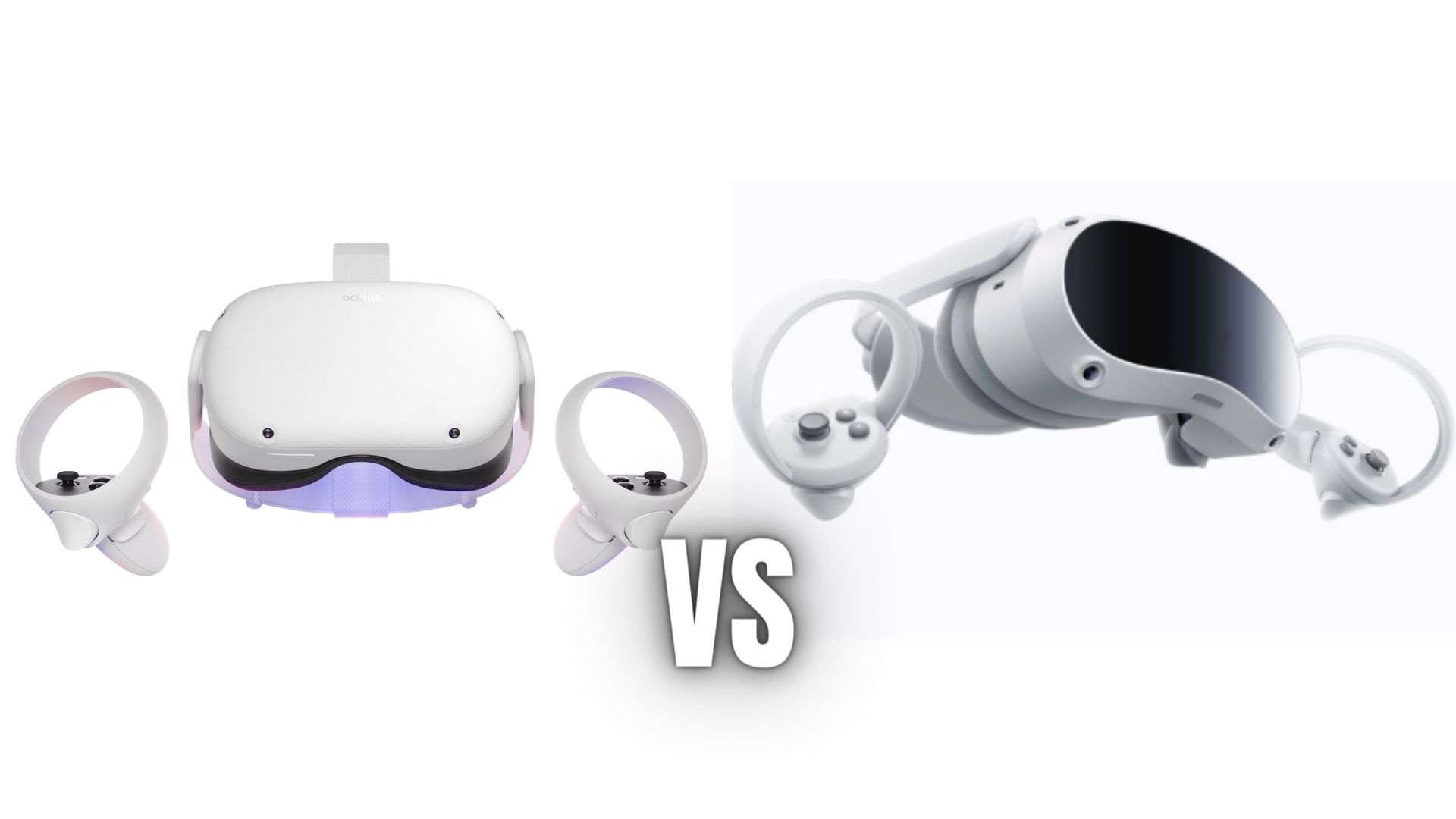
Comparing the Quest 2 to Other VR Headsets
High-End Alternatives
High-end VR headsets such as the Valve Index and HTC Vive Pro undoubtedly deliver exceptional performance and cutting-edge features, setting a benchmark for visual fidelity and tracking accuracy in the industry. However, their premium capabilities come at a substantial cost, placing them beyond the reach of many average consumers. These headsets typically feature advanced display technologies with high resolutions, wider field of view, and superior refresh rates, all of which contribute to a more immersive VR experience. Additionally, they often incorporate sophisticated tracking systems and ergonomic designs tailored for prolonged use.
Despite these advantages, the higher price tags and complexity associated with setup and use can be significant barriers for mainstream adoption. The investment required for purchasing these high-end VR systems, coupled with the need for compatible hardware and space considerations, limits their accessibility primarily to enthusiasts, professionals, and enterprise applications. As the VR market continues to evolve, balancing performance with affordability remains a critical challenge for manufacturers aiming to broaden consumer appeal and drive widespread adoption across diverse user demographics.
Mid-Range Competitors
Mid-range competitors such as the PlayStation VR and HP Reverb G2 offer a balance between performance and price. However, the Quest 2's standalone functionality and extensive library of apps and games provide significant value, making it a strong contender in this segment.
Entry-Level Options
Entry-level VR headsets, especially those designed to be compatible with smartphones, serve as an accessible introduction to virtual reality for many consumers due to their affordability and ease of use. These headsets typically leverage the processing power and display capabilities of smartphones to deliver basic VR experiences, such as 360-degree videos and simple interactive apps. They provide an entry point into VR without requiring significant additional investment in dedicated hardware.
However, compared to the Oculus Quest 2, these entry-level options often come with limitations in performance and immersive capabilities. Smartphone-based VR headsets may struggle with lower display resolutions, limited field of view, and less responsive tracking compared to standalone devices like the Quest 2. The Quest 2, equipped with advanced hardware such as the Snapdragon XR2 processor and high-resolution displays, offers a more robust and engaging VR experience. It supports a wider range of interactive games and applications, delivers smoother graphics, and provides enhanced tracking accuracy and controller responsiveness.
While entry-level VR headsets are ideal for casual users or those exploring VR for the first time, the Quest 2's comprehensive feature set and standalone functionality make it a preferred choice for consumers seeking a more immersive and versatile VR experience. Its ability to combine affordability with high performance has solidified its position as a leader in the VR market, appealing to a diverse audience interested in both entertainment and productivity applications.
Assessing the Value Proposition in 2024
Updated Software and Ecosystem
Meta has been proactive in refining and enhancing the Quest 2 through continuous software updates, aimed at improving performance and introducing new features. These updates not only optimize the headset's functionality but also expand its capabilities to meet evolving user expectations. The growing ecosystem surrounding the Quest 2 includes a rich variety of apps, games, and social experiences, ensuring that users have access to diverse content catering to different interests and preferences. Through regular updates, Meta has addressed issues, enhanced compatibility with new technologies, and introduced innovative features that boost user immersion and interaction within virtual environments. This commitment to software development ensures that the Quest 2 remains at the forefront of consumer VR technology, offering a dynamic and engaging platform for entertainment, productivity, and social interaction. As Meta continues to invest in expanding the headset's ecosystem, users can expect ongoing enhancements that further enrich their VR experiences, solidifying the Quest 2's position as a versatile and highly sought-after VR solution.
Content and Game Availability
The Quest 2 boasts an expansive library of VR games and applications that cater to a wide range of interests and preferences. Whether users are seeking action-packed adventures, immersive simulations, educational experiences, or social interactions, the headset offers something for everyone. Exclusive titles further enhance its appeal, providing unique experiences that are only available on the Quest platform.
Continuous content updates are essential in maintaining the Quest 2's appeal, ensuring that users have access to new games, apps, and features over time. These updates not only introduce fresh content but also improve existing titles with enhancements in gameplay mechanics, graphics, and performance. Consequently, the Quest 2 remains a dynamic and evolving platform that keeps users engaged and excited about the possibilities of VR.
The combination of a diverse content library, exclusive titles, and ongoing updates highlights Meta's commitment to delivering a compelling VR experience with the Quest 2. Whether for entertainment, learning, or socializing, the headset continues to attract a broad audience by offering an extensive array of high-quality experiences that demonstrate the potential of virtual reality technology.
Longevity and Future-Proofing
Investing in the Quest 2 in 2024 is also a consideration of future-proofing. Meta's commitment to regular updates and a robust developer community ensures that the headset will remain relevant and supported for years to come.
Customer Support and Warranty Considerations
Meta provides robust customer support and warranty options for the Quest 2, ensuring that users receive assistance promptly and can resolve any issues effectively. This commitment to customer service enhances the overall ownership experience by providing peace of mind and support throughout the lifespan of the headset.
The customer support offered by Meta includes various channels such as online support forums, help articles, and direct contact options through email or phone. This ensures that users can easily access information and assistance tailored to their needs, whether troubleshooting technical issues, seeking advice on using specific features, or addressing warranty-related concerns.
In addition to responsive customer support, Meta's warranty options provide coverage for potential hardware defects or malfunctions, offering repair or replacement services as needed. This further reinforces Meta's commitment to quality and customer satisfaction, ensuring that users can enjoy their Quest 2 without concerns about unexpected issues.
Overall, Meta's comprehensive approach to customer support and warranty options for the Quest 2 demonstrates its dedication to delivering a positive and reliable VR experience. By prioritizing user assistance and ensuring robust warranty coverage, Meta strives to foster trust and satisfaction among its users, contributing to the continued success and popularity of the Quest 2 in the competitive VR market.
Should You Buy the Quest 2 in 2024?
In 2024, the Quest 2's reduced price has positioned it as an enticing option in the VR market. With its blend of affordability, performance, and extensive content library, the Quest 2 provides substantial value, making it a compelling investment for those interested in delving into the realm of virtual reality.
Author: Gerald Ferreira
Johannesburg's leading intelligence hub on immersive technology. Delivering comprehensive coverage, expert analysis, and breakthrough news on Virtual Reality (VR), Augmented Reality (AR), and the Metaverse.