
Social VR: Connecting Beyond Reality
The digital landscape is undergoing a profound transformation, heralding a new era of interaction through Social Virtual Reality (VR). This...
The digital landscape is undergoing a profound transformation, heralding a new era of interaction through Social Virtual Reality (VR). This innovative technology transcends traditional online communication, allowing users to engage in immersive virtual environments that replicate real-world experiences. Unlike conventional social media platforms or online chatrooms, Social VR offers a multisensory engagement that significantly enhances the depth and quality of human interactions.
Social VR is more than just a technological novelty; it represents a fundamental shift in how we connect with others. By creating shared virtual spaces, Social VR bridges geographical gaps and fosters genuine social connections. This is particularly relevant in a world increasingly defined by remote work and digital nomadism, where physical proximity is often a luxury. Social VR provides a unique opportunity to maintain and cultivate relationships, offering a semblance of physical presence in a digital format.
The Evolution of Social Interactions in VR
From Text to Touch: The Journey from Online Chatrooms to VR Spaces
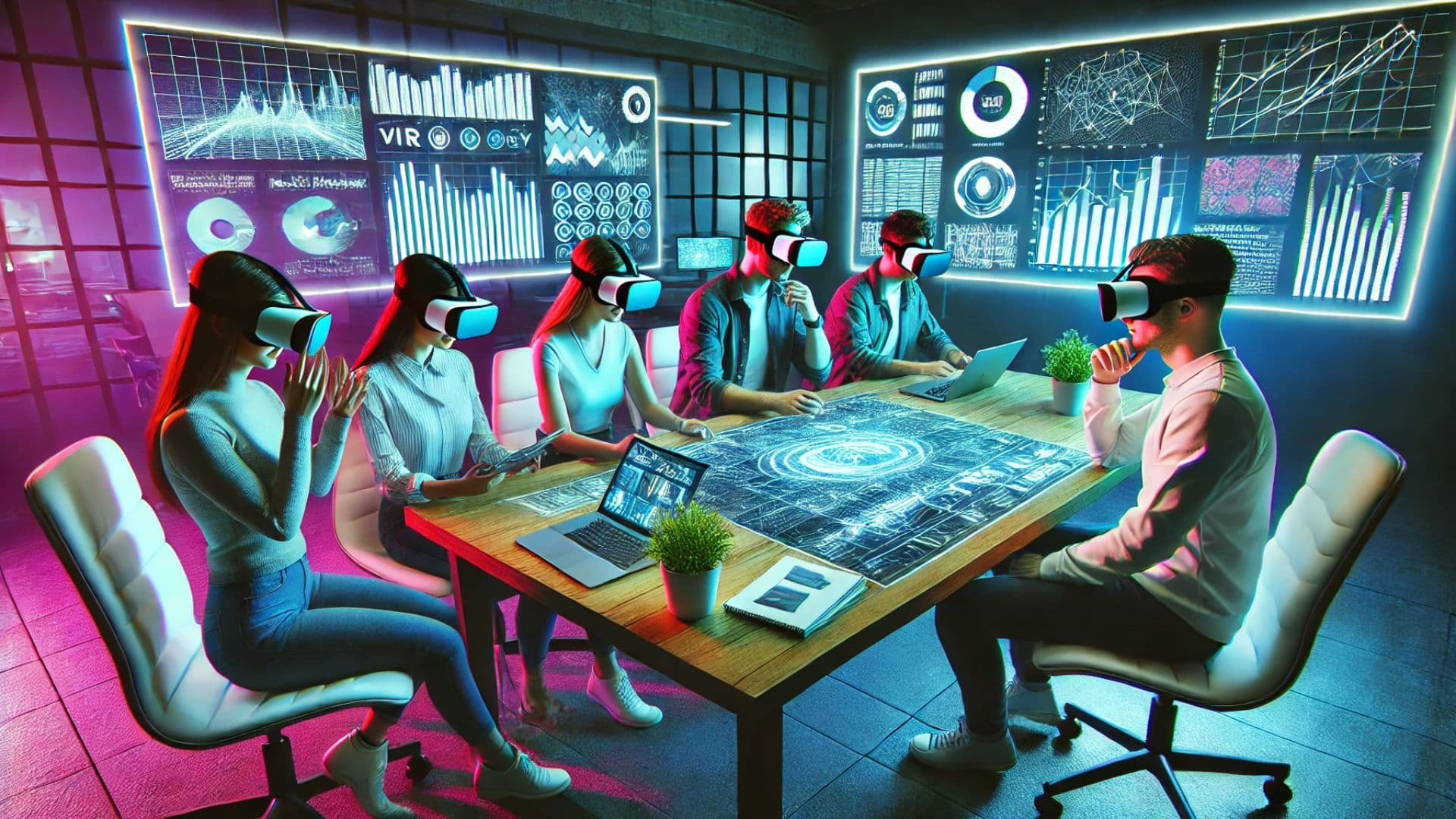
The evolution of digital socialization from text-based communication to immersive VR interactions represents a profound shift in how people connect and communicate online. Initially, internet chatrooms offered a basic text-only platform, which gradually evolved with multimedia messaging and video calls, enriching communication with visual and auditory elements. The advent of VR technology introduces a transformative leap, allowing users to engage in virtual environments where they can interact in a simulated physical space.
This progression mirrors the transition from reading a script to performing on stage in theater. In text-based communication, interactions are akin to reading lines on a page—communication relies primarily on words and emoticons. With multimedia messaging and video calls, additional layers of expression through voice, facial expressions, and gestures enrich the interaction. VR takes this further by immersing users in a spatial environment where non-verbal cues, such as body language and spatial awareness, become integral to communication. These elements contribute to a more immersive and lifelike social experience, akin to being physically present with others, transcending traditional boundaries of distance and physical limitations.
Immersive Social Experiences: How VR Enhances Human Connection
The most compelling feature of VR lies in its capacity to forge immersive social experiences by simulating real-world environments and interactions. Through VR, users can engage in a diverse array of activities, from attending virtual concerts and exploring digital museums to simply socializing in virtual coffee shops. These experiences transcend mere visual richness; they evoke emotional resonance and foster deeper connections among participants.
The sense of presence and engagement in VR environments is heightened by the ability to interact with surroundings and other avatars in real time. Whether sharing experiences with friends or meeting new people from around the globe, VR facilitates meaningful interactions where gestures, expressions, and spatial awareness play crucial roles. This capability not only enhances the enjoyment of shared activities but also expands the possibilities for collaboration, learning, and socializing in ways that were previously restricted by physical distance or logistical constraints.
In essence, VR's ability to create immersive social experiences represents a paradigm shift in digital interaction, offering a compelling platform for forging connections, exploring new interests, and experiencing shared moments that feel authentically real and emotionally impactful. As VR technology continues to evolve, its potential to redefine how people engage socially in the digital age remains a driving force for innovation and exploration.
The Psychology of Presence: Feeling 'There' in Virtual Worlds
The concept of "presence" in VR denotes the psychological phenomenon of feeling physically present and engaged within a virtual environment. Achieving presence relies on several factors, including visual realism, spatial audio, and interactive elements that mimic real-world physics. When these elements converge effectively, they create a convincing illusion of being physically situated in the virtual space. Presence is particularly pivotal for fostering effective social interactions in VR. By creating a sense of shared space and co-presence with others, VR enhances the authenticity and spontaneity of communication.
Users can engage in conversations, collaborate on tasks, or participate in social activities with a heightened sense of immersion and connection. This immersive environment allows for more natural non-verbal cues and gestures, which are essential for nuanced and empathetic interactions. Ultimately, presence in VR transforms digital socialization by enabling users to experience virtual environments as if they were physically present, transcending traditional limitations of distance and physical boundaries. As VR technology continues to advance, enhancing presence remains a cornerstone in optimizing social interactions and enriching the overall VR experience.
Virtual Communities: Building Connections Beyond Borders
Creating Virtual Neighborhoods: The Formation of VR Communities
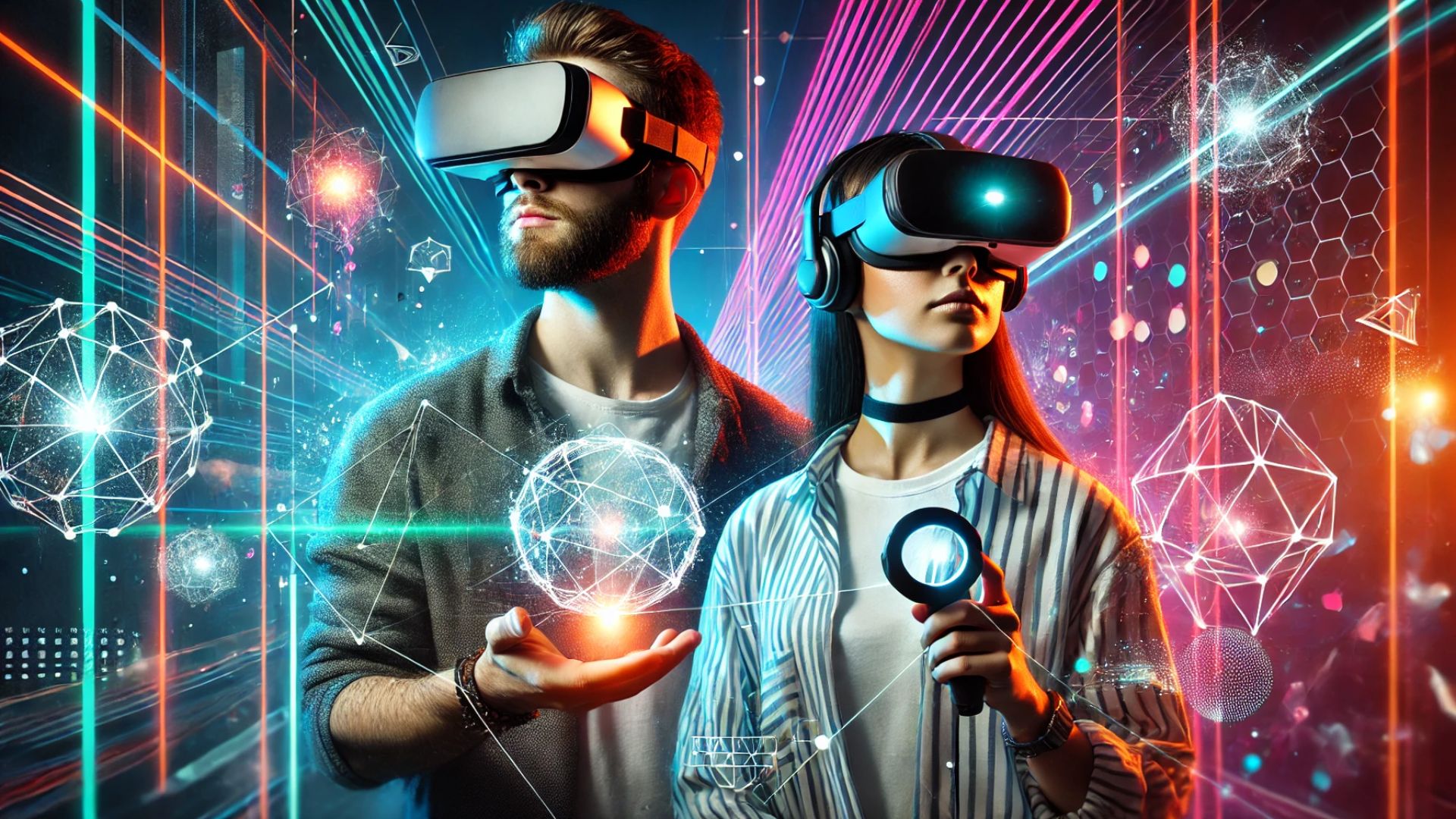
VR communities serve as the virtual counterparts to physical neighborhoods, offering individuals a digital space to convene, interact, and forge relationships. These communities often coalesce around shared interests, hobbies, or professional endeavors, mirroring real-world social dynamics in a virtual realm. Users have the opportunity to establish and curate virtual spaces that reflect their personalities and interests, fostering a sense of ownership and belonging.
Similar to physical neighborhoods, VR communities provide platforms for social interaction, collaboration, and collective engagement. Participants can engage in activities such as attending virtual events, exploring themed environments, or simply conversing with others in simulated settings. These interactions transcend geographical boundaries, enabling individuals from around the world to connect and form meaningful relationships without the constraints of physical distance.
In essence, VR communities play a crucial role in facilitating digital socialization by offering immersive and customizable environments where users can share experiences, exchange ideas, and cultivate friendships. By replicating real-world social dynamics within a virtual context, these communities contribute to a sense of community and belonging that transcends traditional spatial limitations.
Diversity and Inclusion: Bringing Together Global Audiences
One of the most significant advantages of Social VR is its ability to bring together diverse and inclusive audiences from around the world. By eliminating geographical barriers, VR enables people from different cultures, backgrounds, and experiences to connect and collaborate. This inclusivity fosters a richer, more varied social experience and promotes greater understanding and empathy among users. Virtual spaces can become melting pots of ideas and perspectives, driving innovation and cultural exchange.
Case Studies: Successful VR Communities and Their Impact
Several VR communities, such as VRChat and AltspaceVR, showcase the transformative power of Social VR by cultivating vibrant user bases and hosting a wide range of interactive events. These platforms go beyond traditional social networking by offering immersive environments where users can explore virtual worlds, participate in live events, and engage in creative activities like building and scripting. From casual hangouts to structured workshops and educational sessions, these communities provide opportunities for both social interaction and personal growth.
In VRChat, users can create and share custom avatars and environments, attend virtual meetups, and collaborate on creative projects in real-time. AltspaceVR offers similar versatility, with events spanning from comedy shows and gaming tournaments to professional networking events and educational lectures. These platforms not only foster social connections but also serve as hubs for learning, collaboration, and cultural exchange, facilitating meaningful experiences that transcend physical boundaries.
By studying the success of these VR communities, we gain valuable insights into how Social VR is reshaping digital socialization and community dynamics. They illustrate the potential of virtual environments to create inclusive spaces where individuals from diverse backgrounds can come together, interact authentically, and co-create experiences that enhance personal and professional lives alike. As these platforms continue to evolve, their impact on the future of social interaction and collaborative engagement in virtual spaces becomes increasingly profound and influential.

VR Chatrooms: The New Social Hubs
From Forums to Avatars: The Transformation of Online Socializing
The transition from traditional online forums to VR chatrooms signifies a paradigm shift in social interaction. In forums, users communicated through text posts, while modern VR chatrooms allow for real-time, avatar-based interactions. These avatars, often customizable, serve as digital representations of users, adding a personal touch to virtual engagements. This transformation enhances the social experience by incorporating visual and spatial elements, making interactions more dynamic and engaging.
Features and Innovations: What Makes VR Chatrooms Unique
VR chatrooms stand out from other online social platforms due to several innovative features that enhance immersion and interaction. One key feature is spatial audio, which replicates realistic auditory experiences by simulating sound sources based on the user's position and orientation within the virtual environment. This spatial audio capability enhances realism and situational awareness, making conversations and interactions feel more natural and engaging. Another distinctive feature of VR chatrooms is haptic feedback, which allows users to physically feel virtual objects and interactions through specialized controllers or wearable devices. This tactile feedback adds a new dimension to interactions by providing sensory cues that align with visual and auditory stimuli, further enhancing the sense of presence and realism in virtual interactions.
VR chatrooms often integrate interactive environments, games, and collaborative activities. These elements not only provide entertainment but also foster socialization and teamwork among participants. Users can engage in shared experiences such as exploring virtual worlds, playing multiplayer games, or creating collaborative artworks, promoting interaction and bonding in dynamic and creative ways. Collectively, these innovative features contribute to creating a more immersive and enjoyable social experience in VR chatrooms. By leveraging spatial audio, haptic feedback, and interactive environments, these platforms redefine digital socialization by offering richer, more sensory-driven interactions that transcend the limitations of traditional online communication. As VR technology continues to advance, these features are expected to further evolve, enhancing the depth and realism of virtual social experiences.
User Experiences: Stories of Connection and Interaction in VR
User experiences in VR chatrooms underscore the technology's potential to cultivate profound and meaningful connections among participants. Many users express a heightened sense of community and belonging in VR environments compared to traditional social media platforms. Stories abound of friendships forged, collaborative projects initiated, and even romantic relationships kindled within VR chatrooms, highlighting the transformative impact of immersive social interactions.
The immersive nature of Social VR allows users to engage in interactions that feel more authentic and personal. Avatars and spatial environments provide tools for self-expression and creativity, enhancing the depth of social interactions beyond what text-based or even video-based platforms can offer. This enables users to build relationships based on shared interests, experiences, and interactions in virtual spaces that mimic real-world dynamics.
These anecdotes illustrate Social VR's unique ability to foster deep connections and emotional experiences, transcending physical distances and bridging cultural barriers. As VR technology continues to evolve, its potential to enrich digital socialization by providing more immersive and meaningful interactions is poised to grow, shaping the future of how people connect and build relationships in the digital age.
Virtual Events: Redefining How We Gather
The Shift to Virtual: How Events are Going Digital
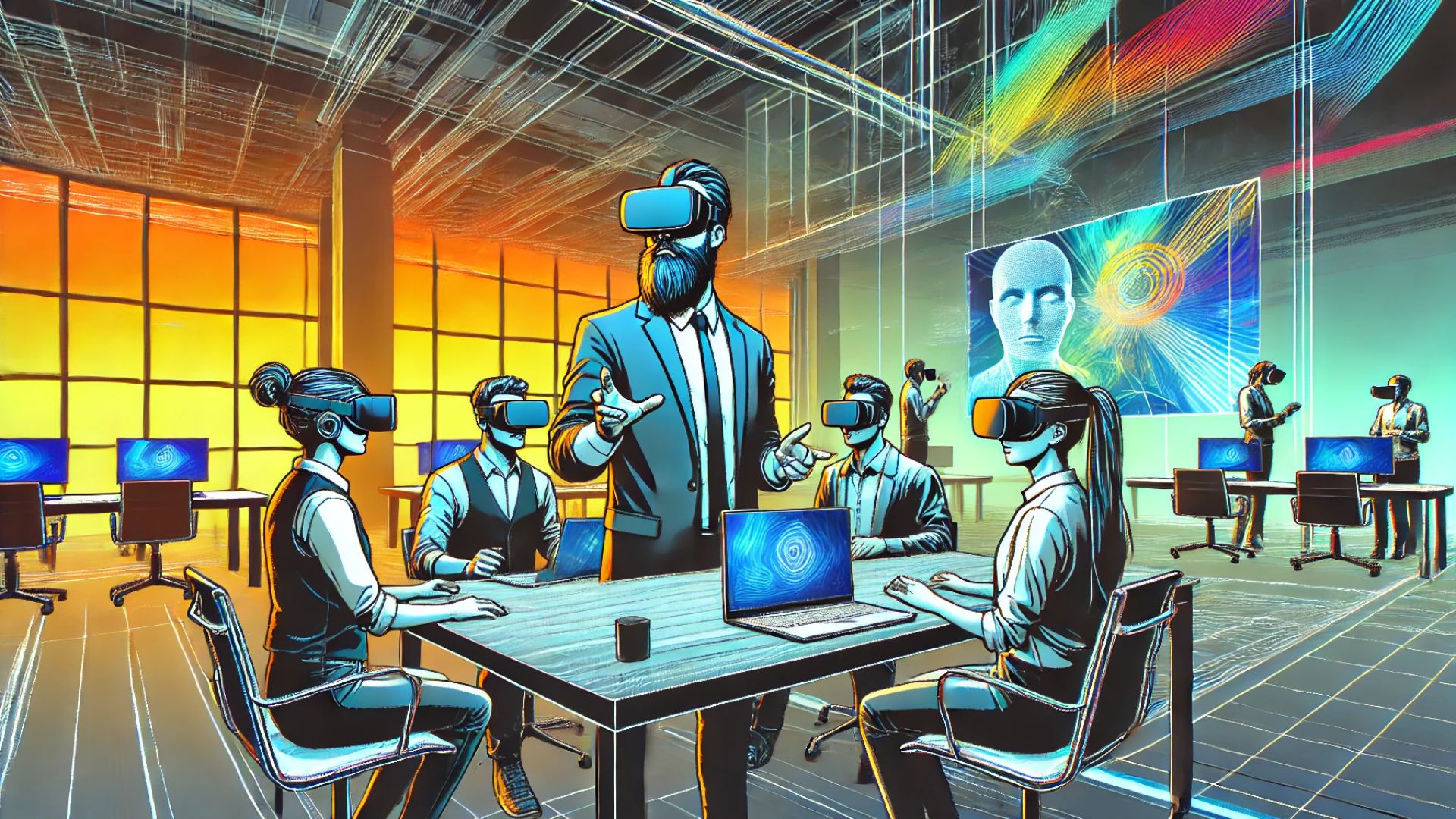
The COVID-19 pandemic accelerated the shift from physical to virtual events, highlighting VR's capability to host large-scale gatherings effectively. Conferences, concerts, and casual meetups swiftly migrated to virtual platforms, ensuring continuity during disruption and offering new opportunities for global participation. Virtual events in VR provide an immersive and interactive experience that often surpasses traditional online formats. Participants navigate virtual environments, engage with 3D content, and interact via customizable avatars, fostering a sense of presence akin to in-person interactions. The spatial and interactive elements of VR enhance engagement by allowing attendees to move between sessions, network in virtual lounges, and explore digital exhibitions within a shared virtual space. This shift democratizes access to events by eliminating geographical barriers and reducing costs associated with travel, facilitating broader participation, knowledge exchange, and global networking opportunities on an unprecedented scale. As VR technology advances, virtual events are poised to complement and enrich traditional gatherings, offering resilient, inclusive, and interactive platforms for future interactions and collaborations across distances.
Benefits of Virtual Events: Accessibility and Engagement
Virtual events offer numerous benefits, including increased accessibility and enhanced engagement. Participants can join from anywhere in the world, breaking down geographical barriers and democratizing access to information and experiences. Moreover, VR technology enables interactive features such as virtual networking lounges, real-time Q&A sessions, and collaborative workshops, which enhance participant engagement. These benefits make virtual events a viable and attractive option for organizers and attendees alike.
Examples of Successful Virtual Conferences and Meetups
Several notable virtual conferences and meetups have exemplified the potential of VR events to revolutionize gatherings in digital spaces. The Virtual Reality Developers Conference (VRDC) and the VR/AR Global Summit stand out for their adept utilization of VR platforms to deliver engaging and interactive experiences.
These events showcase a range of activities, including keynote speeches, panel discussions, and networking opportunities, all within immersive virtual environments. By harnessing the capabilities of VR technology, these conferences offer participants a rich and rewarding experience that goes beyond traditional online events, fostering meaningful interactions and knowledge exchange in dynamic digital settings.
Challenges and Opportunities in Social VR
Overcoming Technical Hurdles: Ensuring a Seamless Experience
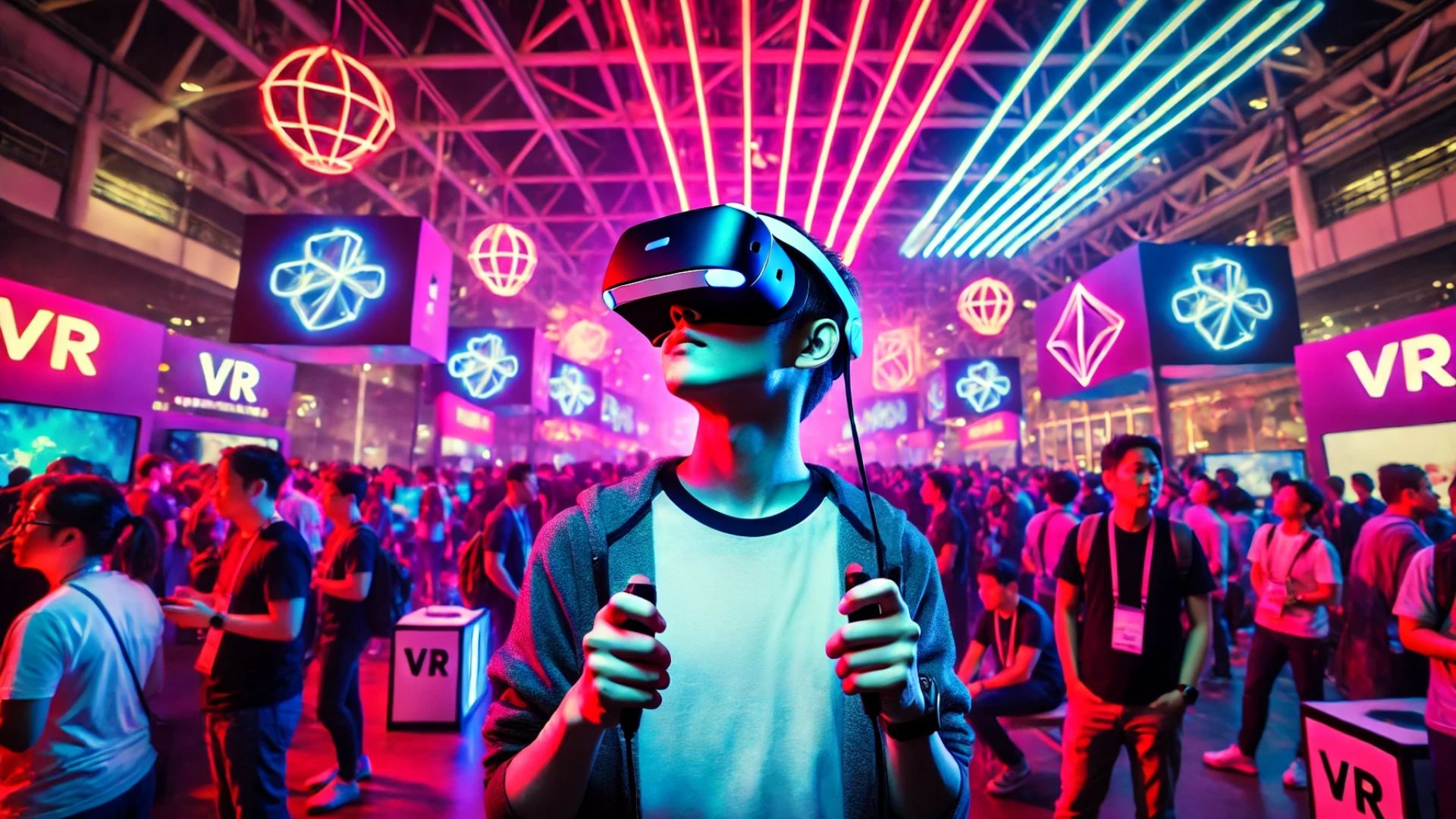
While Social VR offers numerous advantages, it also presents several significant technical challenges that must be overcome. Key issues include ensuring high-quality graphics to maintain immersion, minimizing latency to enhance responsiveness, and providing reliable connectivity to prevent interruptions during interactions. Addressing these hurdles is essential for delivering a seamless and enjoyable user experience in virtual environments. Advancements in both hardware and software are pivotal in tackling these challenges. Improvements in VR headset capabilities, such as higher-resolution displays and more powerful graphics processing units (GPUs), contribute to enhancing visual fidelity and overall immersion. Likewise, advancements in network infrastructure and software optimizations play a crucial role in reducing latency and ensuring stable connectivity, which are essential for real-time interactions in Social VR.
As technology continues to evolve, innovations in VR are paving the way for broader adoption and more immersive social experiences. By addressing technical challenges effectively, developers and engineers are laying the groundwork for Social VR to reach its full potential, offering users compelling and immersive digital environments where they can connect, collaborate, and interact seamlessly across distances.
Addressing Social Issues: Privacy, Security, and Etiquette in VR
As Social VR continues to evolve, it must navigate critical issues surrounding privacy, security, and etiquette to ensure a safe and respectful virtual environment for all users. Protecting user data, securing transactions, and preventing harassment are paramount concerns that demand robust solutions. Establishing clear community guidelines and enforcing them rigorously can help mitigate risks and promote responsible behavior among participants.
Privacy measures should include stringent controls over personal data collection, usage, and sharing within virtual environments. Ensuring secure transactions involves implementing encryption protocols and authentication mechanisms to safeguard financial and sensitive information. Additionally, combating harassment and inappropriate behavior requires proactive moderation, reporting systems, and tools for blocking and muting users.
Developing and maintaining trust among users is essential for the long-term success of Social VR platforms. By prioritizing privacy, security, and respectful conduct, developers can foster a positive social experience that encourages participation and collaboration in virtual spaces. As the technology advances, ongoing vigilance and adaptation of policies and technologies will be crucial in addressing emerging challenges and maintaining a safe and inclusive virtual community.
Future Trends: What to Expect in the Evolving World of Social VR
The future of Social VR is poised for remarkable advancements, fueled by ongoing technological progress and growing user acceptance. Key trends on the horizon include the integration of artificial intelligence (AI) to enhance interactivity and personalize user experiences, paving the way for more immersive and responsive virtual interactions. Advances in haptic feedback systems are also anticipated, promising more sophisticated ways for users to feel and interact with virtual environments.
Beyond entertainment and socialization, Social VR is expanding into diverse fields such as education and healthcare. In education, VR offers immersive learning experiences that can simulate historical events, scientific phenomena, or complex concepts, making learning more engaging and accessible. In healthcare, VR applications range from therapy and rehabilitation to surgical training, leveraging virtual environments to improve patient outcomes and medical training.
These trends underscore the transformative potential of Social VR, opening new avenues for connection, collaboration, and innovation across various industries. As technology continues to evolve, the integration of AI, enhanced haptics, and expanded application domains will shape the future landscape of Social VR, offering users increasingly compelling and meaningful virtual experiences.
FAQ
What is Social VR?
Social VR refers to virtual reality platforms designed to facilitate social interactions and community building. These platforms allow users to engage in immersive virtual environments where they can communicate, collaborate, and socialize through avatars, providing a more lifelike and interactive experience than traditional online communication methods.
How does Social VR enhance social interactions compared to traditional online platforms?
Social VR enhances social interactions by creating immersive environments that mimic real-world experiences. Features such as spatial audio, haptic feedback, and customizable avatars contribute to a sense of presence, making interactions feel more authentic and engaging. This leads to deeper and more meaningful connections compared to text-based or video interactions on traditional platforms.
What are the benefits of virtual events in Social VR?
Virtual events in Social VR offer increased accessibility, allowing participants from around the world to join without the need for travel. They also provide enhanced engagement through interactive features like real-time Q&A sessions, networking lounges, and collaborative workshops. These benefits make virtual events a compelling alternative to physical gatherings, especially during times when in-person events are not feasible.
What are the main challenges facing Social VR?
The main challenges facing Social VR include technical issues such as ensuring high-quality graphics, minimizing latency, and providing reliable connectivity. Additionally, social issues such as privacy, security, and proper etiquette need to be addressed to create a safe and respectful virtual environment. Overcoming these challenges is crucial for the widespread adoption and success of Social VR platforms.
Can Social VR be used for purposes other than socializing and entertainment?
Yes, Social VR has applications beyond socializing and entertainment. It is increasingly being used in education for virtual classrooms and training simulations, in healthcare for therapy and rehabilitation, and in business for virtual meetings and conferences. The versatility of VR technology opens up numerous possibilities for its use in various fields.
What does the future hold for Social VR?
The future of Social VR is promising, with advancements in technology and increasing user adoption driving its evolution. Emerging trends include the integration of artificial intelligence for more interactive experiences, the development of advanced haptic feedback systems, and the expansion into new applications such as education and healthcare. These developments will continue to enhance the capabilities and reach of Social VR, making it an integral part of our digital lives.
Author: Gerald Ferreira
Johannesburg's leading intelligence hub on immersive technology. Delivering comprehensive coverage, expert analysis, and breakthrough news on Virtual Reality (VR), Augmented Reality (AR), and the Metaverse.