
The Exciting World of Virtual Reality in 2024
Virtual Reality (VR) has rapidly evolved from a niche technology into a transformative force across various industries. As we delve into 2024, the...
Virtual Reality (VR) has rapidly evolved from a niche technology into a transformative force across various industries. As we delve into 2024, the landscape of VR is witnessing dynamic shifts, driven by technological advancements and innovative applications. This comprehensive overview explores the latest trends, innovations, and the profound impact of VR on different sectors.
Cloud-Based Processing: Elevating VR Experiences
One of the most significant advancements in VR technology is cloud-based processing. By offloading heavy computational tasks to the cloud, VR applications can deliver high-quality graphics and audio without requiring users to invest in expensive hardware. This shift not only makes VR more accessible but also enhances the immersive experience by providing seamless interactions and detailed environments.
Cloud-based VR platforms are revolutionizing various professional fields. For instance, in education and training, cloud VR allows remote participants to join virtual classrooms and training sessions, offering realistic simulations that improve learning outcomes. In the corporate world, cloud-based VR enables virtual meetings and collaborative workspaces, reducing the need for physical travel and fostering global collaboration.
Volumetric VR: A New Dimension of Immersion
Volumetric VR represents a leap forward in creating more engaging and interactive virtual environments. Unlike traditional VR, which uses flat images or videos, volumetric VR captures real-world scenes with multiple cameras, generating 3D models that users can explore from any angle. This technology enhances the sense of presence and realism, making virtual experiences more lifelike.
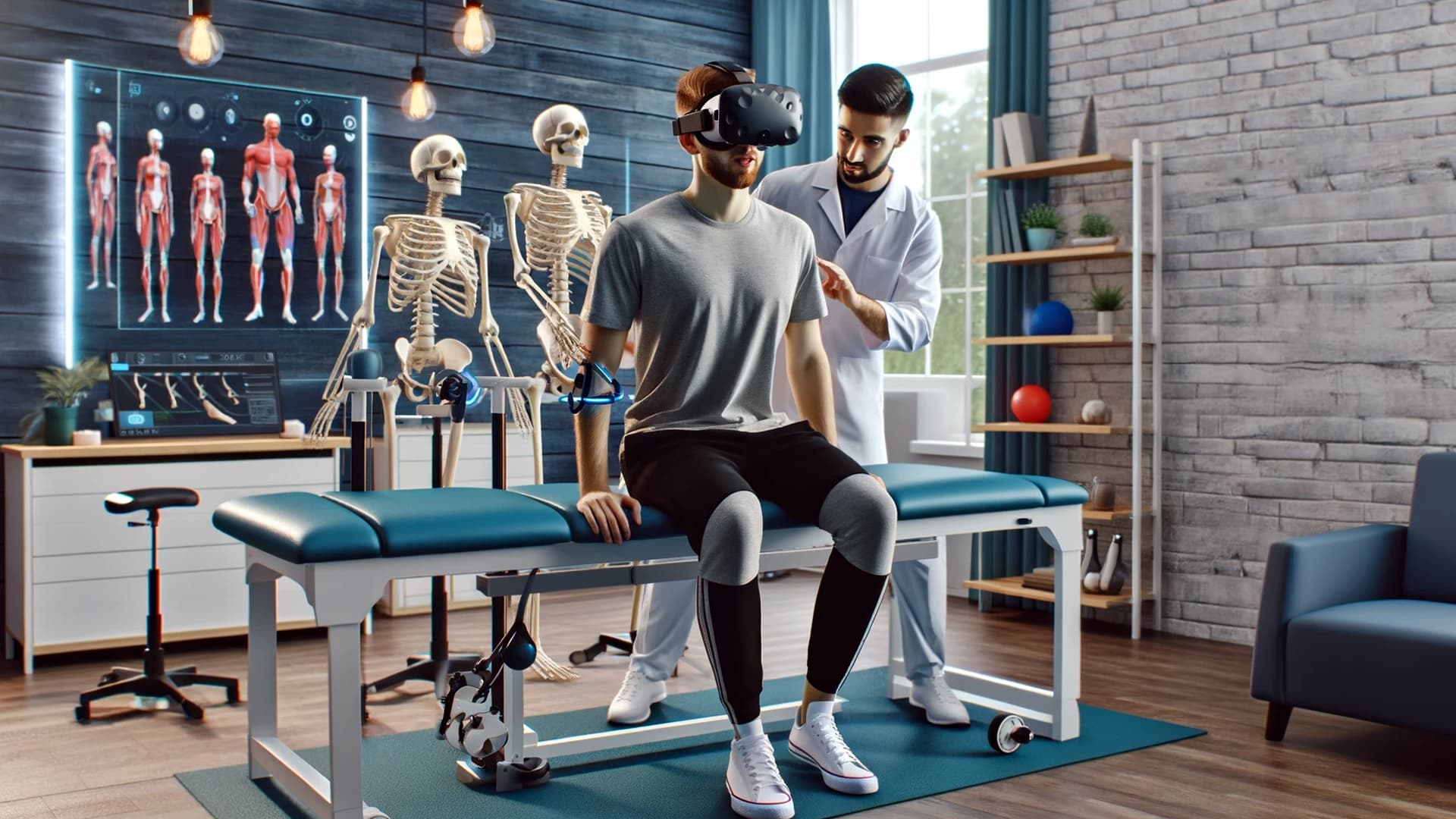
Volumetric VR has numerous applications across different sectors. In social media, users can create and share 3D selfies and stories, adding a new level of interactivity to their digital interactions. In entertainment, volumetric VR allows for immersive storytelling, where audiences can explore scenes and characters from multiple perspectives. The healthcare industry benefits from volumetric VR by using it for medical training and patient rehabilitation, providing realistic scenarios for practice and recovery.
Integration of AI: Personalized and Adaptive Experiences
Artificial Intelligence (AI) is playing a crucial role in advancing VR by making experiences more personalized and adaptive. AI-driven VR environments analyze user behavior and preferences, adjusting the virtual world in real-time to meet individual needs. This integration of AI enhances the realism and interactivity of VR, creating dynamic and responsive virtual spaces.
In educational settings, AI-powered VR can provide personalized learning experiences, adapting content and difficulty levels based on student performance. This individualized approach enhances engagement and improves learning outcomes. In the gaming industry, AI creates more intelligent and responsive virtual characters, offering players a more immersive and challenging experience. Additionally, AI in VR is being used for mental health applications, where virtual environments adapt to the user's emotional state, providing therapeutic interventions tailored to individual needs.
Expansion of Social VR Platforms
Social VR platforms are becoming increasingly popular, transforming how people interact and socialize in virtual environments. These platforms allow users to meet, communicate, and collaborate in real-time, hosting virtual events such as parties, concerts, and multiplayer games. The rise of social VR platforms is paving the way for a more inclusive and community-focused virtual reality future.
The growth of social VR is driven by the desire for more engaging and interactive digital interactions. Users can create avatars and personalize their virtual appearances, enhancing the sense of presence and identity in the virtual world. Social VR platforms also provide opportunities for businesses to engage with customers in new and innovative ways, hosting virtual product launches, customer service interactions, and brand experiences.
Adoption in Business and Healthcare
VR is increasingly being adopted in business and healthcare for a variety of purposes. In the corporate sector, VR is used for prototyping and design, allowing teams to visualize and manipulate 3D models in a virtual space. This capability accelerates the design process and reduces the cost of physical prototypes. VR is also used for staff training, providing immersive simulations that improve skills and knowledge retention. Customer service can benefit from VR by offering virtual assistance and support, enhancing the overall customer experience.
In healthcare, VR is transforming patient care and medical training. For example, VR is used for surgical simulations, allowing medical professionals to practice complex procedures in a risk-free virtual environment. This hands-on training improves surgical skills and reduces the likelihood of errors in real surgeries. VR is also used in rehabilitation, providing patients with interactive and engaging exercises that aid in their recovery. Additionally, VR is being explored as a tool for mental health therapy, offering immersive environments that help patients manage anxiety, depression, and PTSD.
Technological Innovations: Enhancing Immersion
Technological advancements are continuously pushing the boundaries of what is possible in VR. Innovations such as VR gloves and bodysuits with haptic feedback provide users with a tactile sense of touch, enhancing the immersive experience. Improved motion tracking technology allows for more precise and natural interactions within virtual environments, making movements feel more realistic and intuitive.
Another significant innovation is the development of affordable VR headsets, which democratizes access to VR technology. By reducing the cost barrier, more people can experience the benefits of VR, leading to wider adoption across various industries. Improved streaming capabilities also play a crucial role in enhancing the VR experience, enabling high-quality content delivery without latency issues.
The Metaverse: A Digital Universe
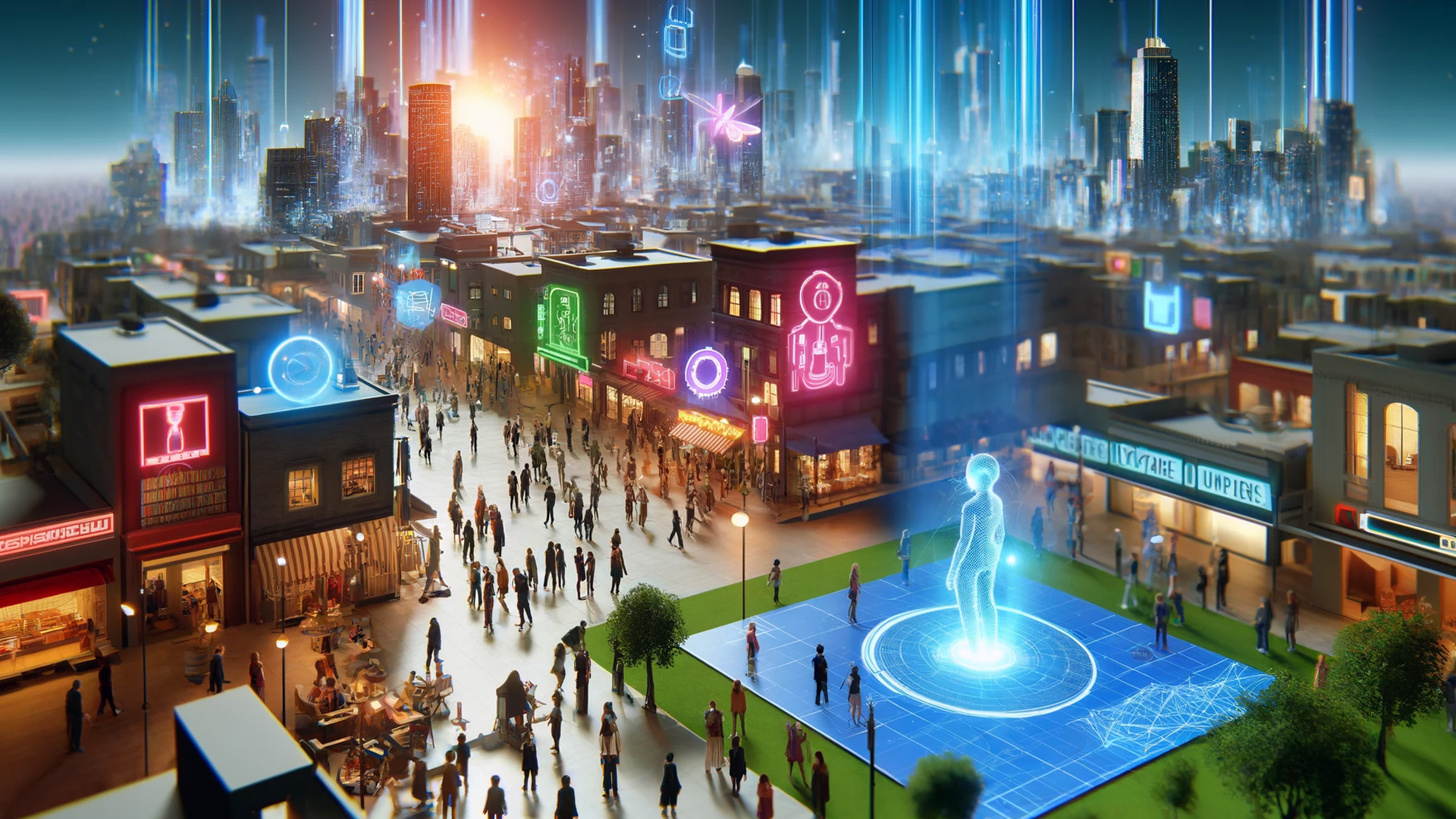
The concept of the metaverse is gaining traction as a comprehensive digital universe accessed through VR. Unlike traditional VR applications, which operate independently, the metaverse weaves together various virtual experiences and services into a seamless and interconnected environment. This digital universe allows users to engage in diverse activities, from work and learning to socializing and entertainment, all within a single virtual space.
The metaverse promises to revolutionize how we interact with digital content and each other. It provides a platform for virtual collaboration, where users can work together on projects, attend virtual conferences, and share ideas in real-time. In education, the metaverse offers immersive virtual classrooms and labs, enhancing the learning experience. In entertainment, users can explore expansive virtual worlds, attend live events, and interact with other participants. The potential applications of the metaverse are vast, and its development is poised to shape the future of VR.
The Future of Virtual Reality
As we move forward, the future of VR looks incredibly promising. The advancements in cloud-based processing, volumetric VR, AI integration, social VR platforms, and technological innovations are setting the stage for more immersive and transformative experiences. The adoption of VR in business and healthcare is driving efficiency and improving outcomes, while the rise of the metaverse is redefining our interaction with digital environments.
The continuous evolution of VR technology holds immense potential for reshaping various aspects of our lives. From enhancing education and training to providing innovative therapeutic interventions, VR is poised to become an integral part of our daily experiences. As we embrace these advancements, the line between the digital and physical worlds will continue to blur, offering new and exciting possibilities for the future of virtual reality.
As we explore the exciting advancements and transformative potential of virtual reality in 2024, it is clear that VR is not just a technology of the future but a game-changing force that is revolutionizing various industries today. From cloud-based processing and volumetric VR to AI integration and the emergence of the metaverse, VR is poised to reshape how we interact, learn, and conduct business.
At Virtual Reality South Africa, we are at the forefront of these innovations, dedicated to providing cutting-edge VR solutions tailored to your unique needs. Whether you are looking to enhance your business operations, improve educational outcomes, or explore new avenues for healthcare, our team of experts is here to guide you every step of the way.
Our comprehensive services include virtual reality development, immersive training simulations, virtual meetings, and more. We leverage the latest technology and industry best practices to ensure that you receive the most effective and engaging VR experiences.
Don’t miss out on the incredible opportunities that virtual reality offers. Contact us today to discover how we can help you harness the power of VR to transform your business and achieve your goals. Let’s create the future together with Virtual Reality South Africa.
Author: GeraldFerreira
Johannesburg's leading intelligence hub on immersive technology. Delivering comprehensive coverage, expert analysis, and breakthrough news on Virtual Reality (VR), Augmented Reality (AR), and the Metaverse.