
Virtual Reality and Artificial Intelligence: The Future of Immersive Experiences
Virtual Reality (VR) and Artificial Intelligence (AI) are two of the most transformative technologies of our time. When combined, they have the...
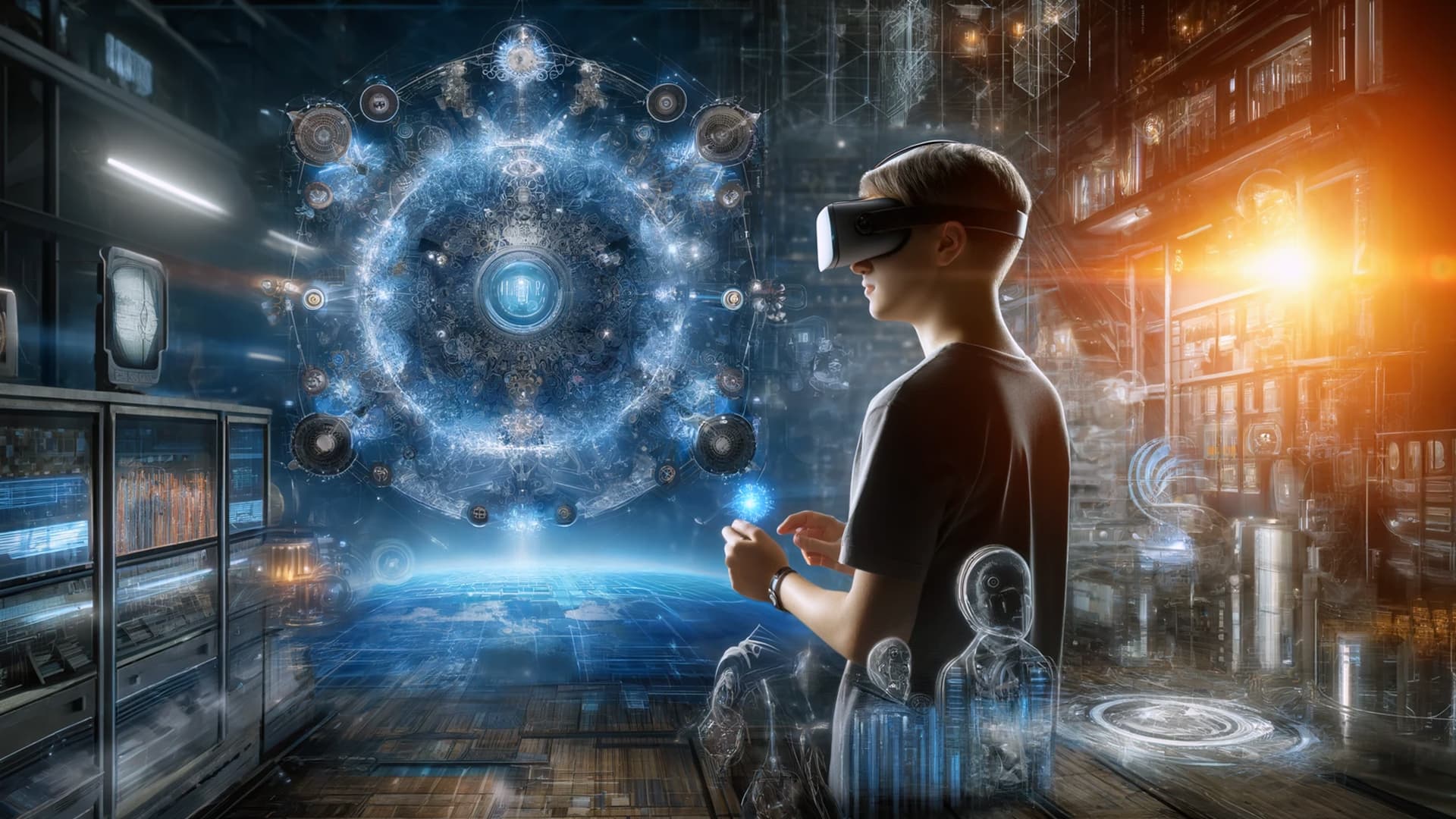
Virtual Reality (VR) and Artificial Intelligence (AI) are two of the most transformative technologies of our time. When combined, they have the potential to revolutionize how we interact with digital environments, offering immersive, personalized, and highly interactive experiences. This article explores how AI is shaping the future of VR, the benefits of this integration, and the profound impact it is set to have across various industries.
The Evolution of Virtual Reality and Artificial Intelligence
Virtual Reality has come a long way from its early days of basic visual simulations. Today, VR provides fully immersive experiences that transport users to entirely new worlds. This evolution has been driven by advancements in hardware, such as high-resolution headsets and motion tracking systems, as well as software that creates increasingly realistic virtual environments.
Artificial Intelligence, on the other hand, has made significant strides in understanding and processing large amounts of data, recognizing patterns, and making decisions. AI technologies such as machine learning, deep learning, and neural networks have become integral to various applications, from autonomous vehicles to personalized recommendations on streaming services.
The Synergy of VR and AI
The integration of AI with VR enhances the capabilities of both technologies, creating new possibilities for immersive experiences. Here are some key areas where AI is transforming VR:
1. Enhanced Realism and Immersion
AI algorithms can analyze and replicate real-world elements with high precision, making virtual environments more lifelike. Generative AI, for example, can create detailed textures, realistic lighting, and dynamic weather conditions that respond to user interactions. This level of detail enhances the sense of presence in VR, making users feel as though they are truly part of the virtual world.
2. Personalized Experiences
AI's ability to analyze user behavior and preferences allows for the creation of personalized VR experiences. By understanding a user's interactions, AI can tailor the content to match their interests and needs. Whether it's an educational simulation that adapts to a student's learning pace or a gaming environment that changes based on the player's style, AI ensures that each experience is unique and engaging.
3. Natural Interactions
AI enables more natural and intuitive interactions within VR environments. Advanced AI algorithms can process and interpret user movements and gestures, allowing for seamless interactions with virtual objects. This makes activities such as picking up items, navigating through spaces, and engaging in complex tasks feel more fluid and responsive.
4. Dynamic Storytelling
Incorporating AI into VR opens up new possibilities for dynamic storytelling. AI can create branching narratives that respond to user choices, resulting in a personalized and interactive story experience. This not only enhances the engagement factor but also ensures that each user's journey through the story is unique.
Impact on Various Industries
The integration of AI and VR is set to revolutionize multiple industries by providing innovative solutions and enhancing existing processes. Here are a few examples:
1. Gaming
The gaming industry stands to benefit immensely from AI-driven VR. AI can create adaptive game worlds that evolve based on player actions, offering new challenges and experiences each time. This dynamic content keeps players engaged and makes games more replayable. Additionally, AI can generate intelligent non-player characters (NPCs) that respond realistically to player interactions, adding depth to the gaming experience.
2. Education
In education, AI-powered VR can transform how students learn and interact with educational content. Virtual classrooms can adapt to individual learning styles, providing personalized instruction and interactive lessons. For example, students studying history can explore ancient civilizations through immersive simulations, while medical students can practice surgical procedures in a risk-free virtual environment.
3. Healthcare
Healthcare is another field where AI and VR are making significant strides. VR simulations powered by AI are used for medical training, allowing doctors and surgeons to practice complex procedures. AI can also assist in diagnosing conditions by analyzing patient data within a VR environment. Moreover, VR therapy, enhanced by AI, is being used to treat conditions such as PTSD, anxiety, and chronic pain by creating controlled and therapeutic virtual settings.
4. Architecture and Design
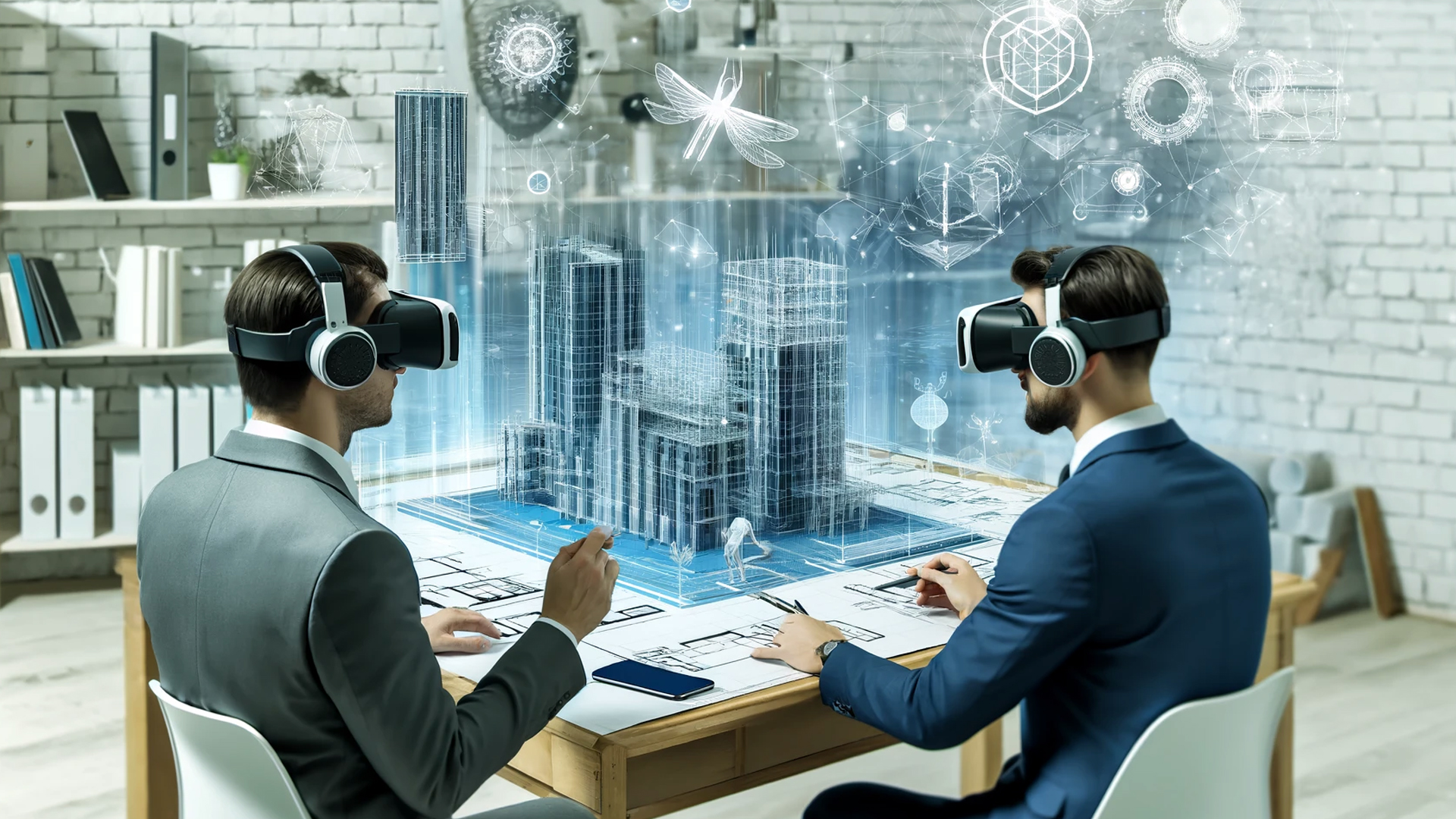
In architecture and design, AI and VR enable professionals to visualize and interact with their projects in new ways. AI can optimize design processes by analyzing spatial data and suggesting efficient layouts. Architects can use VR to walk through their designs, make real-time adjustments, and experience their projects from different perspectives before construction begins.
Ethical Considerations and Challenges
While the integration of AI and VR offers numerous benefits, it also presents several ethical considerations and challenges that need to be addressed:
1. Privacy and Security
AI's ability to collect and analyze vast amounts of user data raises concerns about privacy and security. It is crucial to ensure that user data is handled responsibly and that robust measures are in place to protect it from breaches and misuse.
2. Addiction and Overuse
The immersive nature of AI-powered VR experiences can lead to addiction and overuse. Developers and policymakers need to establish guidelines and frameworks to promote healthy usage patterns and prevent negative impacts on mental health.
3. Bias and Fairness
AI algorithms can sometimes exhibit bias, leading to unfair or discriminatory outcomes. It is important to ensure that AI systems used in VR are transparent, fair, and regularly audited to mitigate biases and ensure equitable experiences for all users.
The Future of VR and AI
The future of VR and AI is incredibly promising, with continued advancements set to enhance their capabilities and applications. Here are some potential developments to look forward to:
1. Hyper-Realistic Virtual Worlds
As AI technology continues to improve, we can expect even more realistic and immersive virtual worlds. These environments will be indistinguishable from reality, offering unprecedented experiences for users.
2. More Personalized and Adaptive Content
AI will become better at understanding user preferences and behaviors, leading to even more personalized and adaptive VR experiences. This will make VR applications more engaging and effective in achieving their goals, whether it's education, therapy, or entertainment.
3. Integration with Other Emerging Technologies
The combination of VR, AI, and other emerging technologies such as augmented reality (AR) and the Internet of Things (IoT) will create new possibilities for interconnected and intelligent systems. This integration will further enhance the functionality and utility of VR applications across various domains.
4. Expansion into New Industries
While gaming, education, healthcare, and architecture are already benefiting from AI-powered VR, we can expect to see this technology expand into new industries. Fields such as retail, real estate, tourism, and manufacturing will find innovative uses for VR and AI, transforming their operations and customer experiences.
Virtual Reality and Artificial Intelligence are two of the most transformative technologies of our time, and their integration is set to revolutionize how we interact with digital environments. From enhancing realism and personalization to enabling natural interactions and dynamic storytelling, AI is playing a crucial role in the future of VR.
As these technologies continue to evolve, they will have a profound impact on various industries, offering innovative solutions and improving existing processes. However, it is essential to address the ethical considerations and challenges associated with AI and VR to ensure their responsible development and deployment.
At Virtual Reality South Africa, we are dedicated to harnessing the power of these technologies to provide cutting-edge solutions for our clients. Whether you are looking to enhance your business operations, improve educational outcomes, or explore new avenues for healthcare, our team of experts is here to guide you every step of the way. Contact us today to discover how we can help you harness the power of VR and AI to transform your business and achieve your goals. Let’s create the future together with Virtual Reality South Africa. For more information and to discuss your VR needs, visit our website at Virtual Reality South Africa. We look forward to partnering with you on this exciting journey into the world of virtual reality and artificial intelligence.
Author: GeraldFerreira
Johannesburg's leading intelligence hub on immersive technology. Delivering comprehensive coverage, expert analysis, and breakthrough news on Virtual Reality (VR), Augmented Reality (AR), and the Metaverse.