
What is Augmented Reality?
Augmented Reality (AR) is a transformative technology that overlays digital information and objects onto the real world, enhancing the user's...
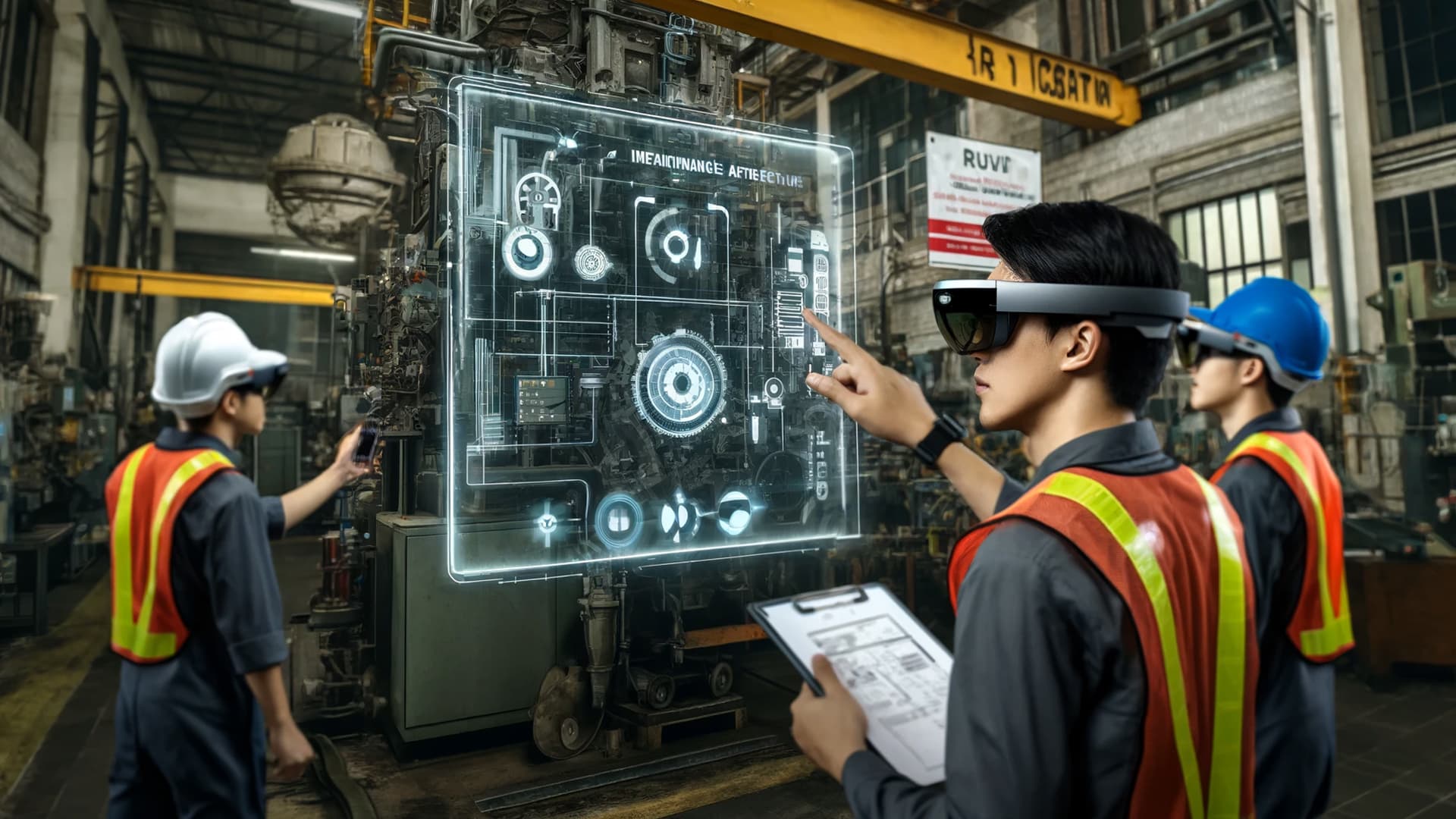
Augmented Reality (AR) is a transformative technology that overlays digital information and objects onto the real world, enhancing the user's perception and interaction with their environment. Unlike Virtual Reality (VR), which immerses users in a completely virtual world, AR enhances the real world by adding virtual elements to it. This technology has a wide range of applications in business, education, entertainment, healthcare, and more. This article will define Augmented Reality, explain its key concepts, and discuss its essential components. We will also explore how AR can positively influence various sectors and provide real-world examples of its applications.
What is Augmented Reality?
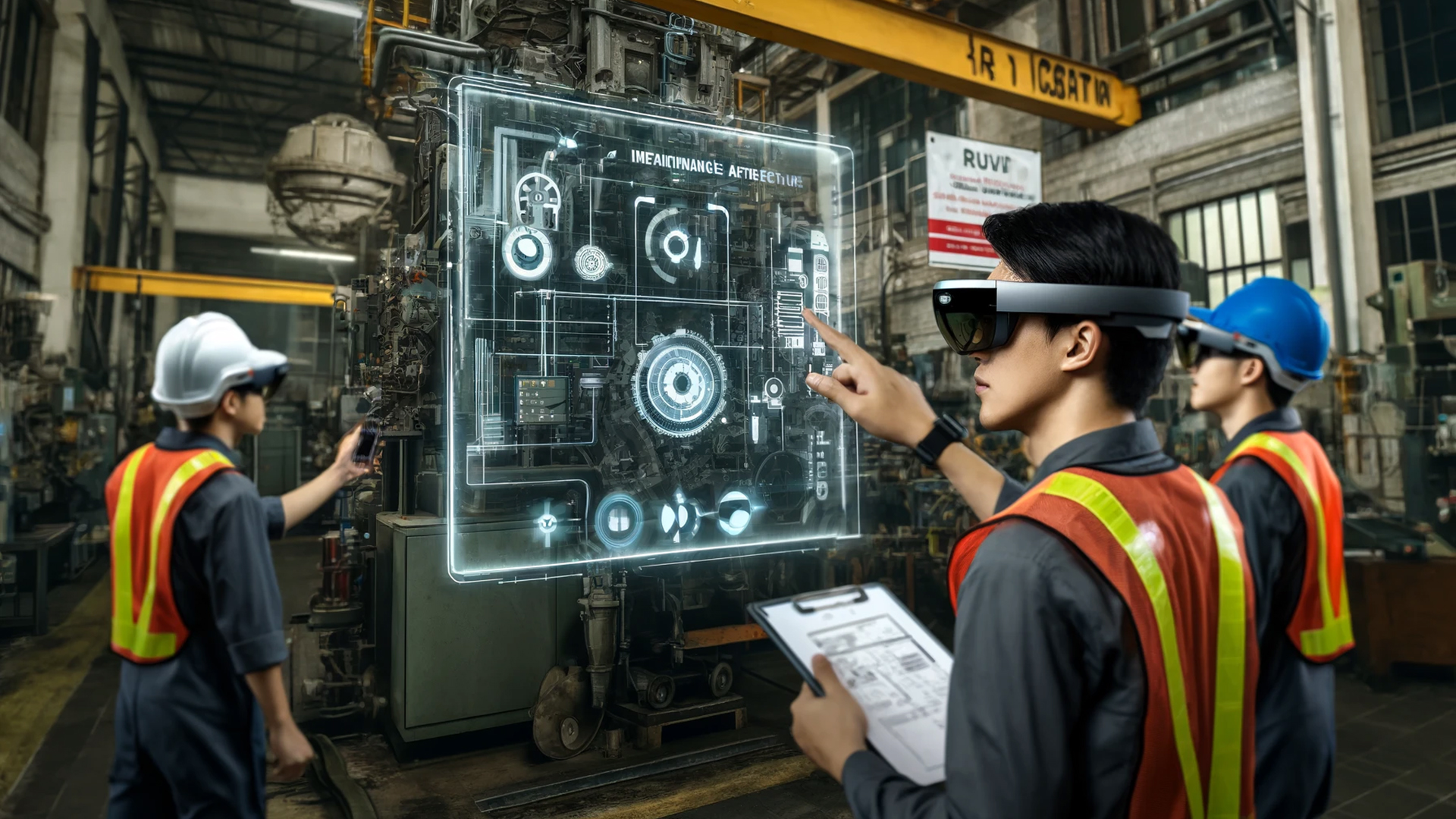
Augmented Reality (AR) is a technology that superimposes computer-generated images, sounds, and other sensory enhancements onto the real world. AR is typically experienced through devices such as smartphones, tablets, AR glasses, or headsets, which use cameras and sensors to overlay digital content onto the physical environment.
The primary goal of AR is to enrich the user's experience by providing additional information or interactive elements that are contextually relevant to their surroundings. This blending of the digital and physical worlds can enhance how users perceive and interact with their environment, making AR a powerful tool for various applications.
Key Concepts in Augmented Reality
Key Components of Augmented Reality
The Positive Impact of Augmented Reality on Business
The Positive Impact of Augmented Reality on Education
Real-World Examples of Augmented Reality Applications
Challenges and Considerations in Implementing Augmented Reality
Future Trends in Augmented Reality
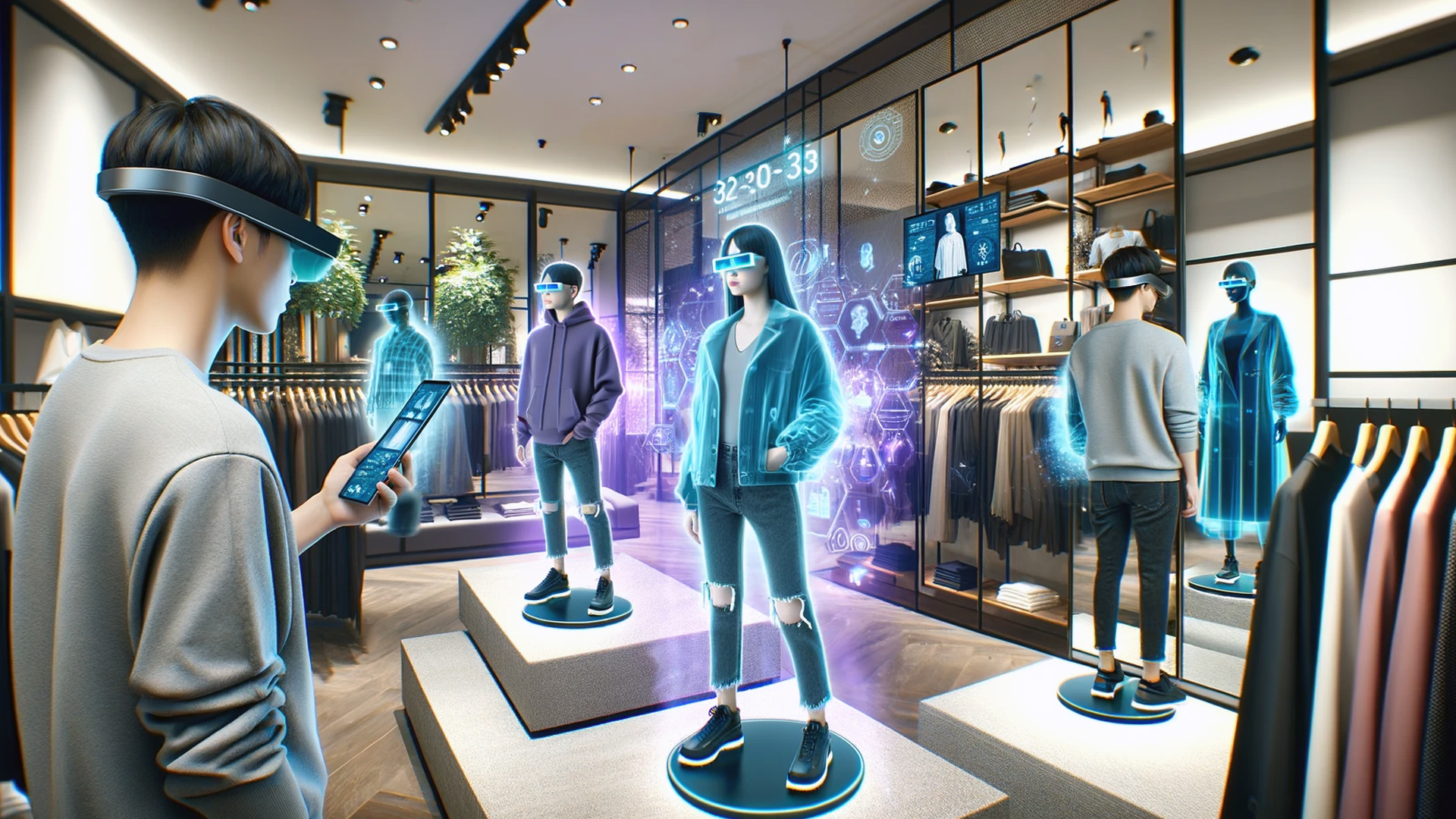
Augmented Reality is a transformative technology that enhances the real world by overlaying digital content onto the physical environment. By understanding and leveraging AR's potential, businesses can enhance marketing, improve training, streamline operations, and engage customers in new and exciting ways. In education, AR can create immersive, accessible, and engaging learning experiences that foster deeper understanding and skill development.
As AR technology continues to evolve, its applications will expand, offering even more opportunities to innovate and improve. Embracing AR today can position businesses and educational institutions at the forefront of this technological revolution, driving success and growth in an increasingly digital world.
Author: GeraldFerreira
Johannesburg's leading intelligence hub on immersive technology. Delivering comprehensive coverage, expert analysis, and breakthrough news on Virtual Reality (VR), Augmented Reality (AR), and the Metaverse.