
What is Virtual Reality?
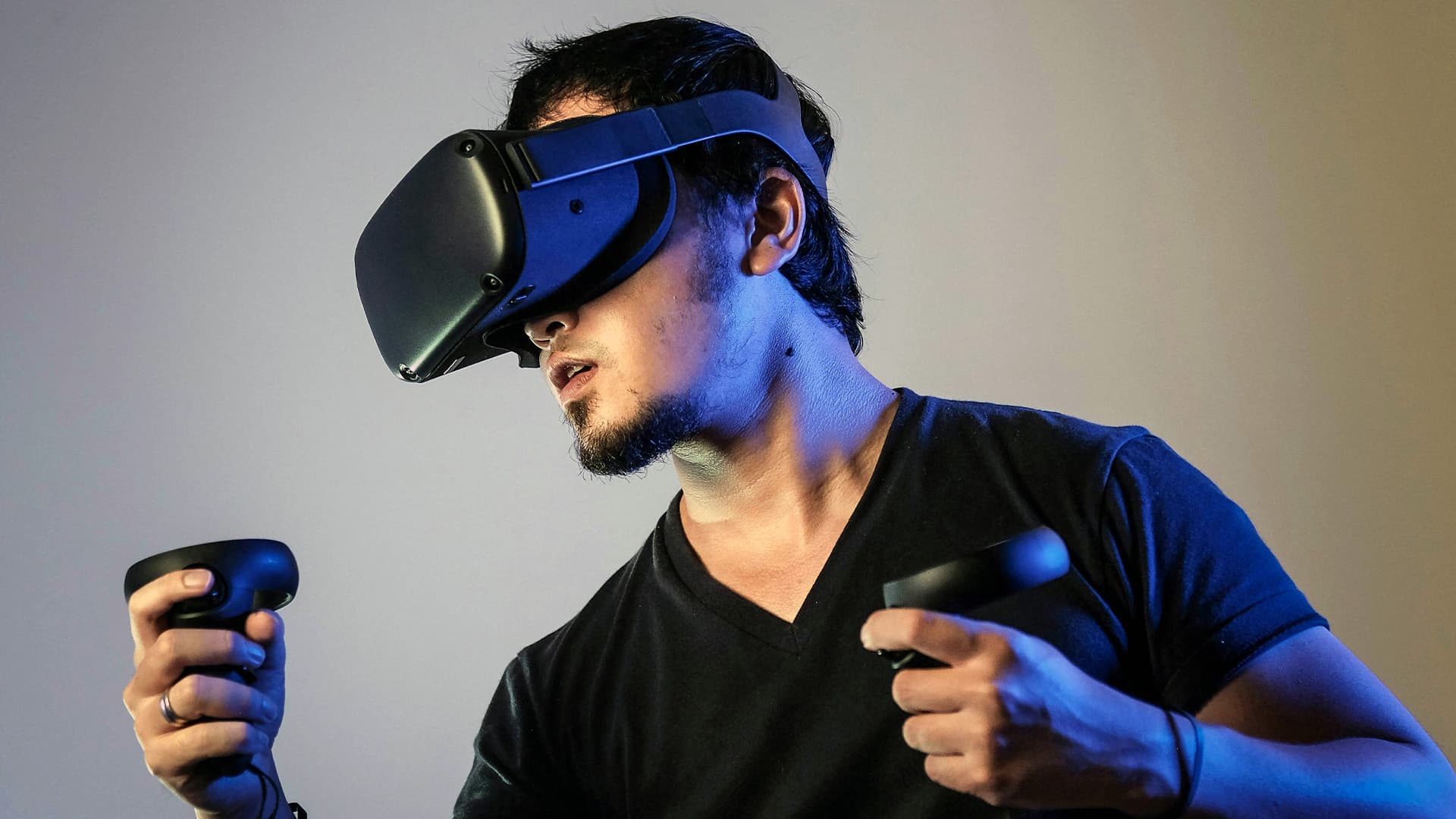
Virtual Reality (VR) is a computer-generated simulation that allows users to experience and interact with a three-dimensional environment. Through...
Virtual Reality (VR) is a computer-generated simulation that allows users to experience and interact with a three-dimensional environment. Through the use of specialized headsets and other sensory equipment, VR immerses users in a digital world that can mimic the real world or present entirely new fantastical landscapes. VR technology has transformed the way we interact with digital content, providing immersive experiences in gaming, education, healthcare, and many other fields.
History of Virtual Reality
Early Beginnings
The concept of virtual reality has its roots in the mid-20th century. The first traces of VR technology can be seen in the 1950s with Morton Heilig's Sensorama, a machine designed to simulate a multi-sensory experience. In the 1960s, computer scientist Ivan Sutherland developed the first head-mounted display system, known as the "Sword of Damocles." Although primitive compared to today's standards, these early innovations laid the groundwork for modern VR.
Evolution and Milestones
Throughout the 1970s and 1980s, VR technology continued to evolve. NASA and the military invested heavily in VR for training simulations, leading to significant advancements. The 1990s saw the commercial debut of VR with products like the Sega VR headset and Nintendo's Virtual Boy, although these early consumer attempts were not very successful.
Modern VR Era
The modern era of VR began in the early 2010s with the introduction of affordable and powerful VR headsets like the Oculus Rift. Facebook's acquisition of Oculus in 2014 signaled the tech industry's commitment to VR. Today, VR technology has advanced significantly, with devices like the HTC Vive, PlayStation VR, and Oculus Quest offering high-quality, immersive experiences.
How Virtual Reality Works
VR Hardware
VR systems typically consist of a headset, motion controllers, and sometimes additional sensors or gloves. The headset, equipped with stereoscopic displays and lenses, provides a 3D visual experience by rendering slightly different images for each eye. This creates the illusion of depth, making virtual objects appear life-sized and spatially accurate.
Tracking and Interaction
Motion tracking is crucial for an immersive VR experience. Headsets are equipped with sensors that track the user's head movements, while external sensors or cameras may track the position of the entire body. Controllers or hand-tracking technology allow users to interact with the virtual environment, picking up objects, pressing buttons, and performing various actions.
Software and Content
Applications of Virtual Reality
Gaming and Entertainment
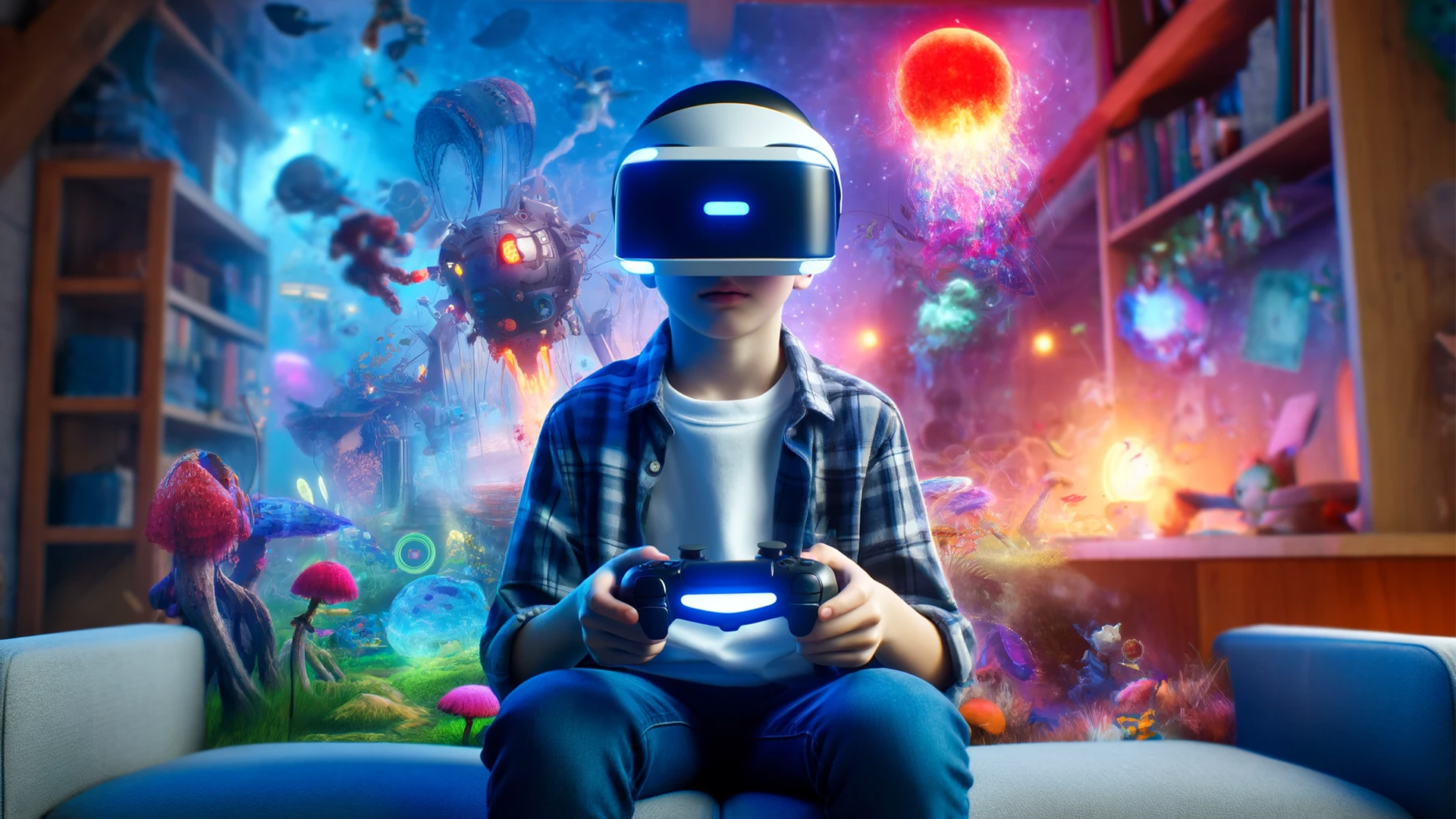
Gaming is perhaps the most well-known application of VR. VR games offer immersive experiences that are far more engaging than traditional video games. Titles like "Beat Saber," "Half-Life: Alyx," and "The Elder Scrolls V: Skyrim VR" have set new standards for interactive entertainment.

Education and Training
VR is revolutionizing education by providing immersive learning experiences. Students can explore historical sites, perform virtual dissections, or practice complex procedures in a risk-free environment. Medical training, in particular, benefits from VR simulations that allow students to practice surgeries and other procedures.

Healthcare
In healthcare, VR is used for pain management, physical therapy, and psychological treatment. VR simulations help patients manage chronic pain, rehabilitate after injuries, and treat phobias and PTSD through exposure therapy.

Real Estate and Architecture
VR allows potential buyers to tour properties remotely, providing a realistic sense of space and layout. Architects and designers use VR to visualize and modify building plans, making collaboration and decision-making more efficient.
Social Interaction
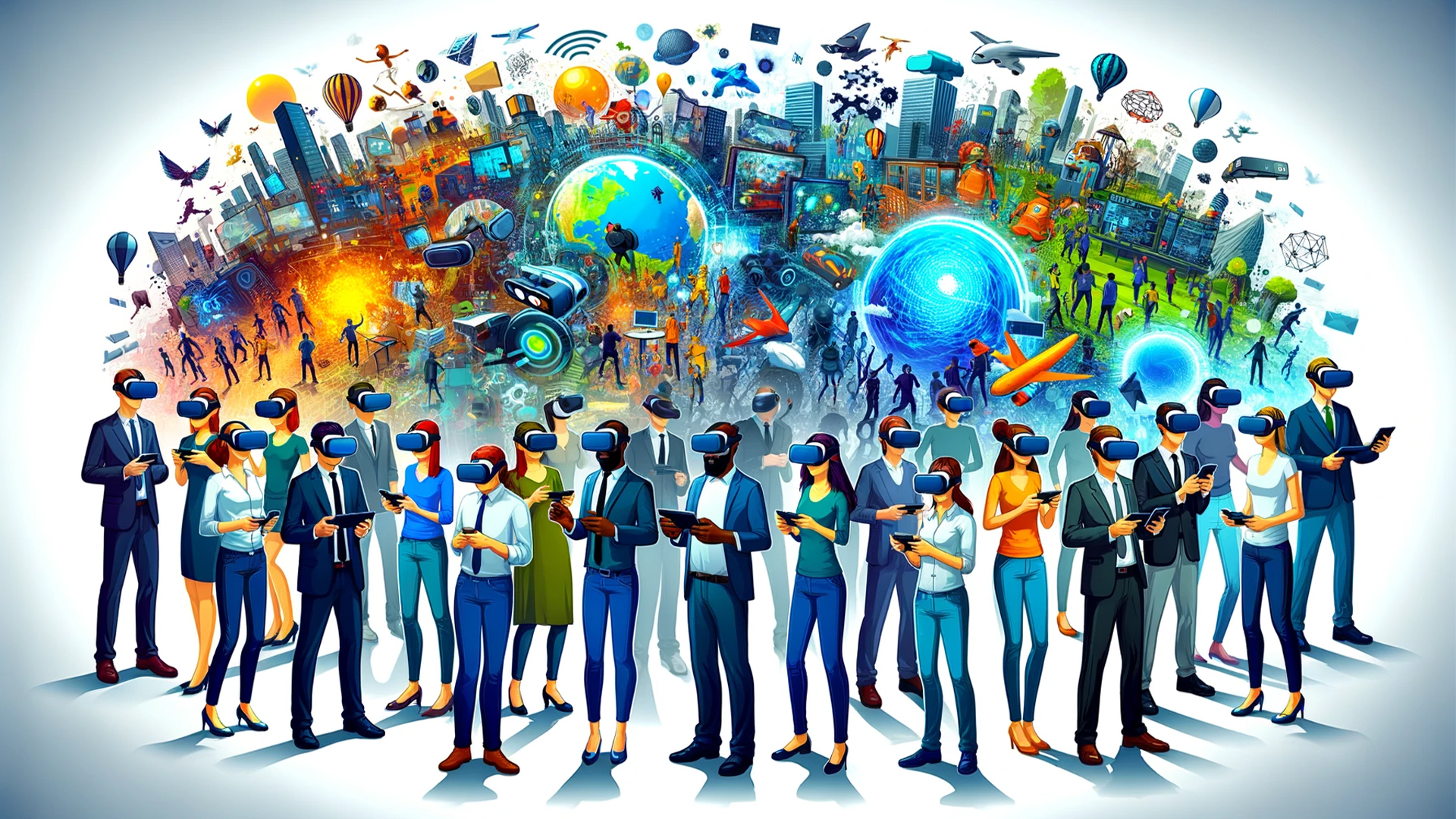
VR platforms like VRChat and AltspaceVR offer social spaces where users can interact, attend events, and collaborate virtually. These platforms have become increasingly popular, especially during times when physical interaction is limited.
Advantages and Disadvantages of Virtual Reality
Advantages
Disadvantages
Future of Virtual Reality
The future of VR looks promising, with continuous advancements in technology and expanding applications. Emerging trends include:
Virtual Reality is transforming the way we experience digital content, offering immersive and interactive experiences across various fields. From gaming and education to healthcare and social interaction, VR's applications are vast and continually growing. As technology advances, VR will become more accessible, affordable, and integral to our daily lives. Embracing VR technology opens up endless possibilities, making it an exciting frontier in the digital age.
Author: Gerald Ferreira
Johannesburg's leading intelligence hub on immersive technology. Delivering comprehensive coverage, expert analysis, and breakthrough news on Virtual Reality (VR), Augmented Reality (AR), and the Metaverse.